


You dreamed about feces, and you woke up embarrassed with one question: what does it mean? The short answer is that the books of dream interpretation of dream interpretation tie this symbol to money before anything else: money leaving your hands, or a financial matter sitting on your mind. Three details decide which way the reading goes — the amount, the place, and what you did in the dream.
This page is for anyone who had this dream. How it is read for women in particular, whether single, married or pregnant, has its own page: dreaming about feces as a woman.
The bottom line
- The closest meaning: the dream is about money. Relieving yourself is read as money going out of your hands, and the feces itself is read as money. So the nearest reading is money you are spending, a debt on your mind, or income you are waiting for.
- The detail that changes it: the amount. An ordinary amount stays inside the money reading. An amount that overwhelms the place, like a flood, is read as worry and strain instead.
- Getting it on you: if it reaches your clothes or your body, the old reading is money from a source that isn’t clean. That is one interpreter’s reading, not a verdict on your income and not an accusation.
- In front of people: relieving yourself while others watch sits closer to a fear that something private will come out — not to a scandal on the way.
- Cleaning it up: one of the calmest versions of this dream, and the one closest to putting something right and shedding a burden.
- The limits: all of these are possible meanings, not promises and not news. The dream can’t prove your money is tainted, promise you wealth, predict a scandal or diagnose anything.
- Cases with no fixed meaning: eating feces, touching or collecting it, its smell, a baby’s diaper, being unable to go, and relieving yourself in bed. The books give these no specific meaning, so your feeling in the dream and what is on your mind in waking life weigh most.
What this page covers
- The bottom line
- Why do people dream about feces?
- Which details change what the dream may mean?
- What feces means in the books of dream interpretation
- A lot of feces filling the place
- A small, ordinary amount
- Relieving yourself in a toilet
- Relieving yourself in front of people
- Feces on your clothes or body
- Touching or collecting feces
- Cleaning up feces
- Eating feces in a dream
- Relieving yourself in bed
- Smelling feces in a dream
- A baby’s diaper in a dream
- Animal dung in a dream
- Needing to go but being unable to
- At home, in the street or at work
- How can one symbol carry opposite meanings?
- Does dreaming about feces mean dirty money?
- When it’s a health question, not a symbol
- What’s actually established in Islam about dreams
- What this dream can’t tell you
- What to do after the dream
- How to describe the dream so it can be read
- Do interpreters settle on one meaning?
- Examples
- Quick table: the detail and the closest reading
- Related dreams
- Frequently asked questions
- What does dreaming about feces mean in general?
- Is dreaming about feces good or bad?
- What does relieving yourself in public mean in a dream?
- Does feces on your clothes mean dirty money?
- What does a lot of feces in a dream mean?
- What does cleaning up feces mean in a dream?
- What does eating feces mean in a dream?
- What does animal dung mean in a dream?
- What does relieving yourself in bed mean?
- What should I do after an embarrassing dream like this?
- Should I post my dream online to ask what it means?
- Is this interpretation definitive?
- In summary
Why do people dream about feces?
Going to the toilet is one of the most private things a person does, and one of the most closely tied to relief after discomfort. So when it turns up in a dream it usually carries one of two opposite ideas: getting rid of something heavy, or a fear that something private will be exposed.
That is a general way of understanding the picture, not a quotation from any book. The classical reading lands close to it, but gives it a single name: money. More on that shortly.
Before any of that, though, plenty of these dreams carry no symbol at all. The US National Institute of Neurological Disorders and Stroke notes in its guide to sleep that events from the day often invade our thoughts during sleep, and that people under stress or anxiety are more likely to have frightening dreams.
That is about sleep in general, not about this symbol. But it explains why someone under financial pressure, or worried that something about them will come out, or fresh from an embarrassing day, might well have a dream like this one.
So before you look for a meaning, start with a few plain questions about your week:
- Are you under financial strain at the moment, or worried about a debt?
- Are you about to be on show, at a job interview, a presentation or a big event?
- Did you go to sleep needing the bathroom?
- Has something embarrassing happened recently, or have you heard something said about you that stung?
If the answer is yes, the dream is most likely an echo of your day and needs no symbolic reading at all. Sometimes, though, people have this dream when life is calm and nothing explains it. That is where the classical reading earns its place, and it links this symbol above all to money.
For the wider approach first, our guide to dream interpretation explains how every symbol on this site is read: the meaning first, then its limits.
Which details change what the dream may mean?
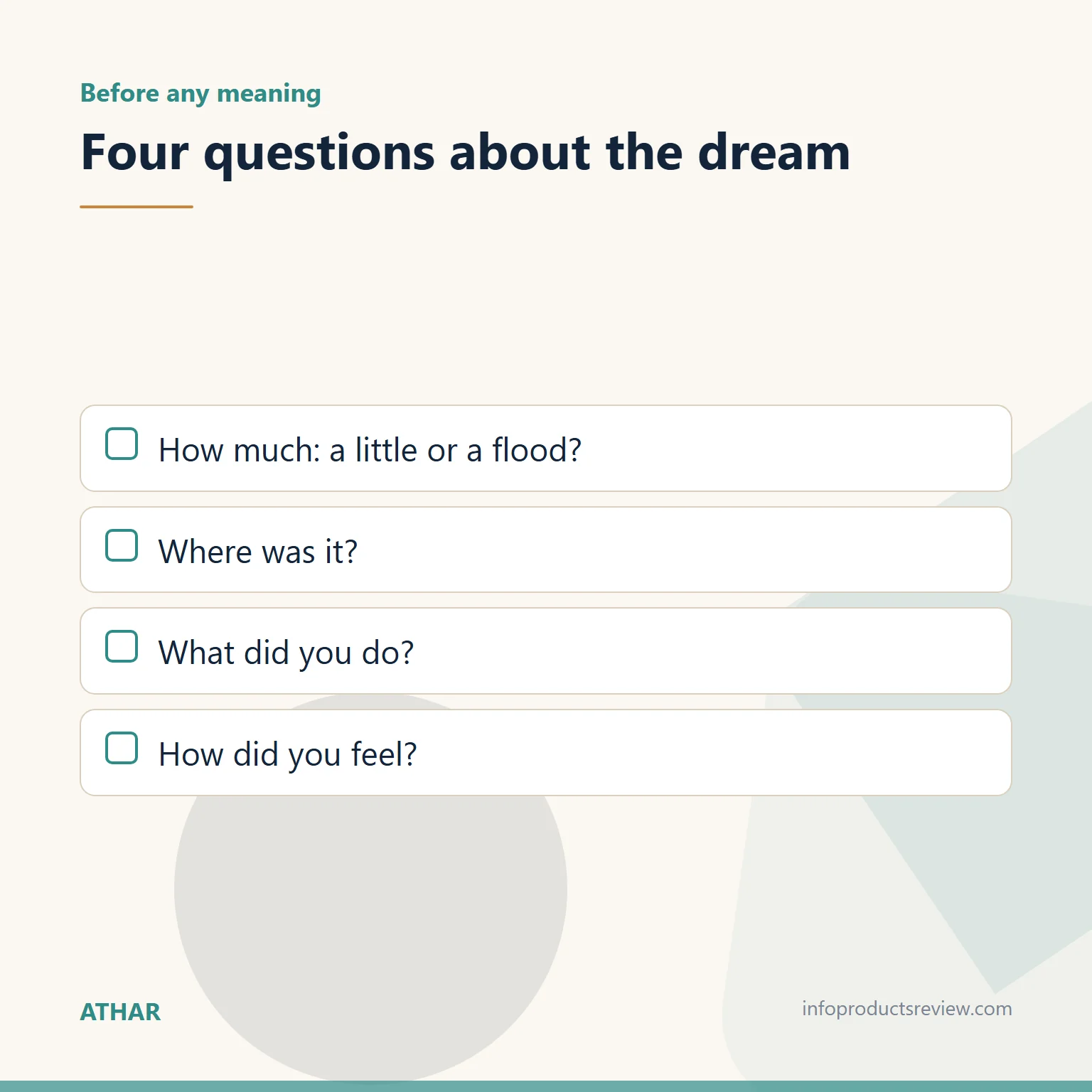
The symbol is one thing; the reading moves with the detail. Here they are, from most to least important:
First: the amount. An ordinary amount, or so much that it floods the place? That difference alone shifts the reading from money to worry.
Second: the place. A toilet or the usual spot, your clothes or body, a public place, or your bed?
Third: what you did. It left your body and you felt relief, you touched it, you collected it, you cleaned it, or you got it on yourself?
Fourth: how you felt. Relieved, embarrassed, disgusted, or afraid of being seen?
Fifth: your real situation. Are you under financial strain? Afraid something will come out? Dealing with a real digestive complaint that a doctor should look at?
Most people remember one detail clearly and lose the rest. Start with what you’re sure of, and don’t fill in the gaps from imagination after you wake up.

What feces means in the books of dream interpretation

The answer in one line: to the old interpreters, this is a money symbol. They set out four points about it that are worth reading calmly.
First, relieving yourself in a dream is read as losing money — money used up or gone from your hands, whether spent or lost, the way waste leaves the body. The books don’t say whether it goes on something good or not.
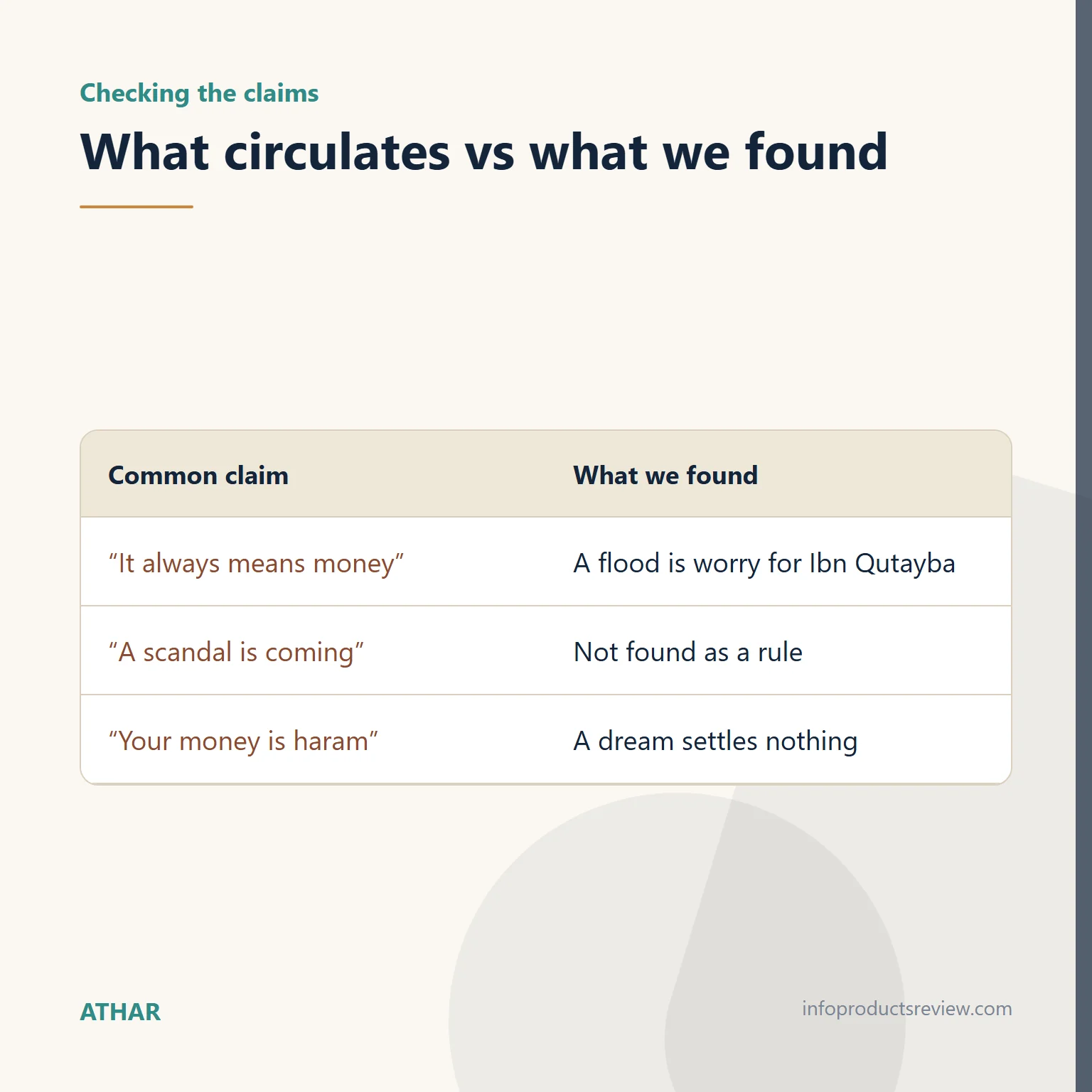
Second, the feces itself, and animal dung, is read as money. That explains why so many people connect this dream with income. But many go further and treat it as guaranteed good news, and nothing in the books carries that certainty.
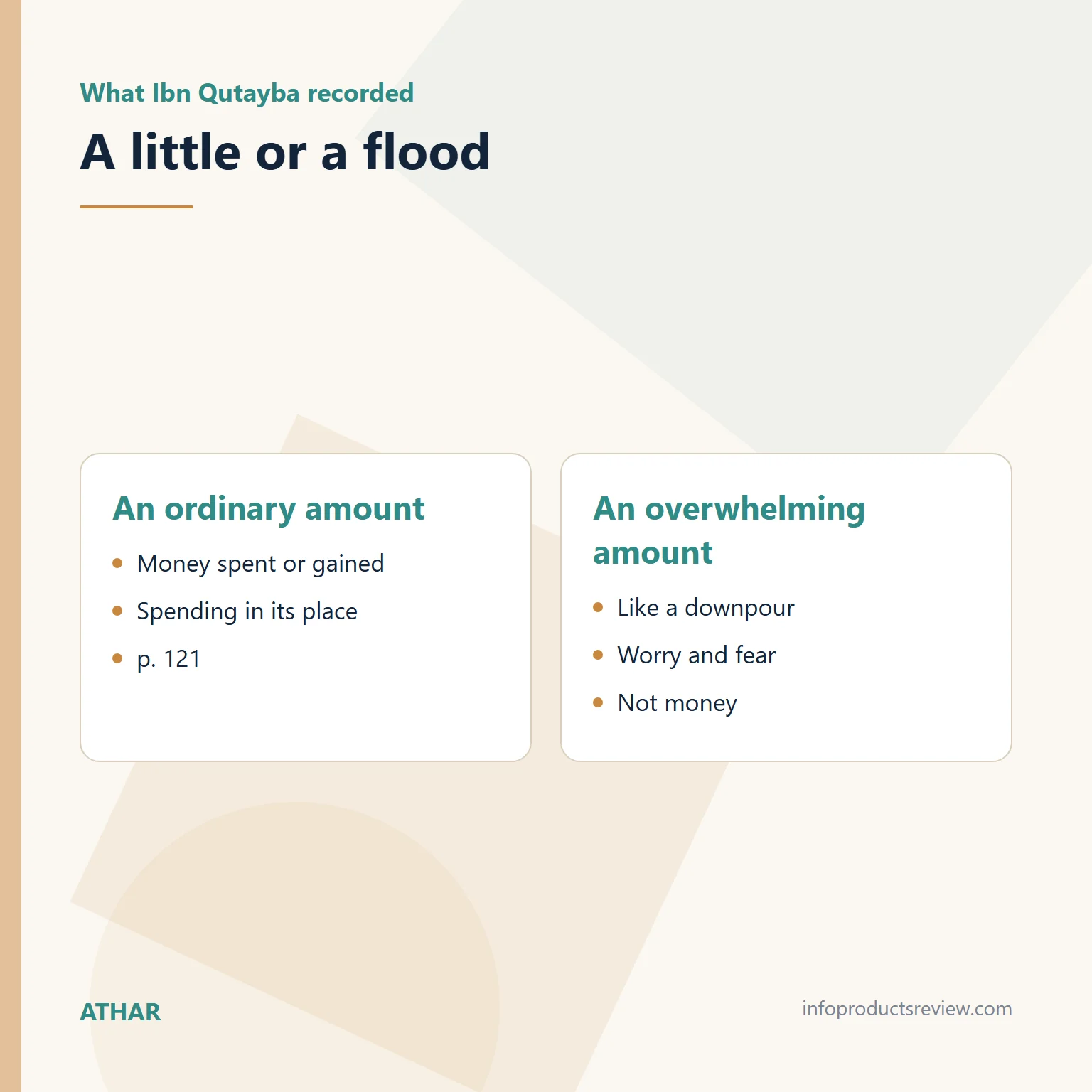
Third, an overwhelming amount turns the meaning around completely. When it is like a downpour or a flood, the reading becomes worry and fear, not money.
Fourth, it is read as money from a source that isn’t clean when it reaches the dreamer or he smears his body with it. So the heavy reading is tied to contact with the body, not to every dream with feces in it.
All of this is an attempt to understand a symbol, and it can be right or wrong. Its value is that it shows the logic the old interpreters worked with: something leaving the body, read as something leaving your hands.
But here is the point that matters most on this page. None of it applies to any particular person, none of it is a promise of money, and none of it is a verdict on where anyone’s income comes from.
A lot of feces filling the place
One of the more distressing versions is a room covered in feces, on the floor or the walls, with nowhere to put your feet.
This is exactly the case the books carve out of the money reading. An amount that overwhelms, like a downpour or a flood, is read as worry and fear. So the nearer reading is pressure closing in from every side: piled-up worries, problems tangled together, or an exhausting environment that’s hard to get out of.
It doesn’t point to a specific disaster or to trouble on the way. The useful question is: what’s weighing on me right now so much that I can’t breathe? If you can name it, the dream is likely echoing it, and working on that will do more good than hunting for another meaning.
An example: someone whose workload has been piling up for weeks, with no chance to catch their breath, dreams the whole room is flooded. The picture fits their situation closely and carries no new message.
A small, ordinary amount
A small, ordinary amount, in its usual place and not taking over the space, is the version where the basic reading holds: feces is money.
There’s a fine distinction worth catching here. The books say it is money; they don’t say money is coming to you. So the nearer reading is some financial matter on your mind: a purchase you’re weighing, a debt that worries you, or income you’re waiting for.
It can’t be translated into a figure or a date. The symbol points in a direction; it doesn’t write a cheque.
One question worth asking yourself: have I been thinking lately about money I’ve spent or money I’m expecting? If so, the dream is more likely about that preoccupation than about tomorrow.
Relieving yourself in a toilet
Dreaming that you go to the toilet in the normal way, with privacy and relief, is one of the lightest and calmest versions of this dream.
Relieving yourself is read as money leaving your hands. The relief in the dream makes the nearer reading money going where it should: spending on a need, paying off a debt, or something that was pressing on you coming to an end.
Those examples are reading by analogy; the books don’t list them. They give you the general direction, and you fit it to your own situation.
Sometimes the dream is simply your body’s need showing up during sleep. If you went to bed needing the toilet, you might dream about it, and that has no symbolic meaning.
Relieving yourself in front of people

This is one of the most asked-about versions, and one of the most embarrassing: you find yourself relieving yourself somewhere open, with people watching and nothing to hide behind.
The nearest reading is a fear that something private will be exposed, or money leaving your hands in a way others can see.
Where does that reading come from? From a nearby passage in the same books: a person’s skin in a dream is his covering, and what a person keeps covered, if it shows in a dream, is something hidden coming to light. Putting that beside the money reading is our own combination of two ideas, not a single text about this scene.
It matters to say this clearly: it doesn’t mean the dreamer has a secret that’s about to come out, or that a scandal is coming. Many of these dreams come to people who simply worry about embarrassment, or who are about to be on show, before a job interview, a presentation or a big event.
Interpreters today are sharply critical of anyone who tells someone with an embarrassing dream that it reveals a hidden sin, and they ask what happened to protecting people’s privacy. We follow that approach here: a dream isn’t an accusation.
Feces on your clothes or body

Finding feces on your clothes, or realising you’re smeared with it, is a picture dominated by disgust and embarrassment.
The old reading for it is that contact with the body means money from a source that isn’t clean. It’s one of the heaviest readings attached to this symbol. We include it because it exists, and then we set out its limits:
- It’s an interpreter’s reading, not a judgement on anyone’s income.
- No one should tell a person who had this dream, “your money is dirty.”
- If you genuinely have doubts about where some money came from, look into it calmly and ask people with knowledge. Don’t base it on a dream.
By analogy, being smeared with something repulsive can also picture feeling caught up in something you don’t approve of: a draining partnership, a harmful relationship, or things said about you. That’s a way of understanding the image, not something the books say.
So the dream here is a quiet nudge to look at your situation, not a verdict on you.
Touching or collecting feces
Some people dream they’re holding feces in their hands, or gathering it into a bag or a container. It’s a confusing picture, mixing disgust with direct handling.
The books give no specific meaning for touching or collecting. Two nearby readings do exist: feces is money, and feces that reaches the body is money from a source that isn’t clean.
Collecting it in a container, without it touching you, sits closer to the first: being busy gathering money, perhaps with effort or in work you don’t enjoy. Handling it with bare hands sits closer to the second. That’s our weighing by analogy, not a text about this scene.
Touching it suddenly, with strong disgust, sits closer to landing in an unpleasant situation against your will. Either way, the dream settles nothing about anyone’s money.
Cleaning up feces

One of the reassuring versions is dreaming that you clean it up: washing a floor, getting it off your clothes, scrubbing a toilet.
The books give cleaning no specific meaning. By analogy, the nearer reading is clearing away harm and putting things right: sorting out a money matter, ending a disagreement, shedding something that weighs on you, or turning over a new leaf.
Two things support that reading. Cleaning is something you choose to do to get out of a bad situation, and the relief that follows it in a dream feels like the relief of fixing something in waking life.
If you’re cleaning up after someone else, like a child or someone who’s ill, the nearer reading is a responsibility you carry, or care for someone you love. All of these are readings by analogy, not texts.
Eating feces in a dream
This is one of the most disturbing versions, and many people are too embarrassed to mention it even to someone they trust. The books give it no specific meaning.
Extending their logic, if feces is money and contact with the body is money from a source that isn’t clean, eating it is a heavy picture that might suggest being caught up in something objectionable. But that’s a reading by analogy, not confirmed in the sources, and it can’t be turned into a judgement about anyone.
More importantly, dreams like this often come with no meaning at all, out of anxiety or disturbed sleep. If it upset you, follow the guidance for an unwanted dream — a dream whose owner dislikes it — and don’t retell it.
You’ll find that guidance set out below, from Sahih al-Bukhari (hadith 7045) and Sahih Muslim (hadith 2262).
Relieving yourself in bed

Dreaming that you relieved yourself in your own bed is a picture of shame and loss of control.
The books give this no specific meaning. By analogy, the nearer reading is something getting out of control in a place that’s meant to be safe and private, like your home.
It might echo a disagreement at home, household spending beyond your means, or a fear of losing control over something personal. It’s a common dream for anyone living with tension inside their own four walls.
If the dreamer is a child, an older person, or someone with a real continence problem, the dream may simply be picking up on what the body is going through. That’s a question for a doctor, not a dream interpreter.
Smelling feces in a dream
In some dreams you don’t see anything, you only smell it: a bad odour filling the place with no obvious source.
The books give this no specific meaning. By analogy, a bad smell sits closer to unpleasant talk going around, something wrong you can sense but not see, or tension somewhere without a clear cause.
Don’t let this dream turn into suspicion of anyone in your family or at work. It describes a feeling; it names nobody.
A baby’s diaper in a dream
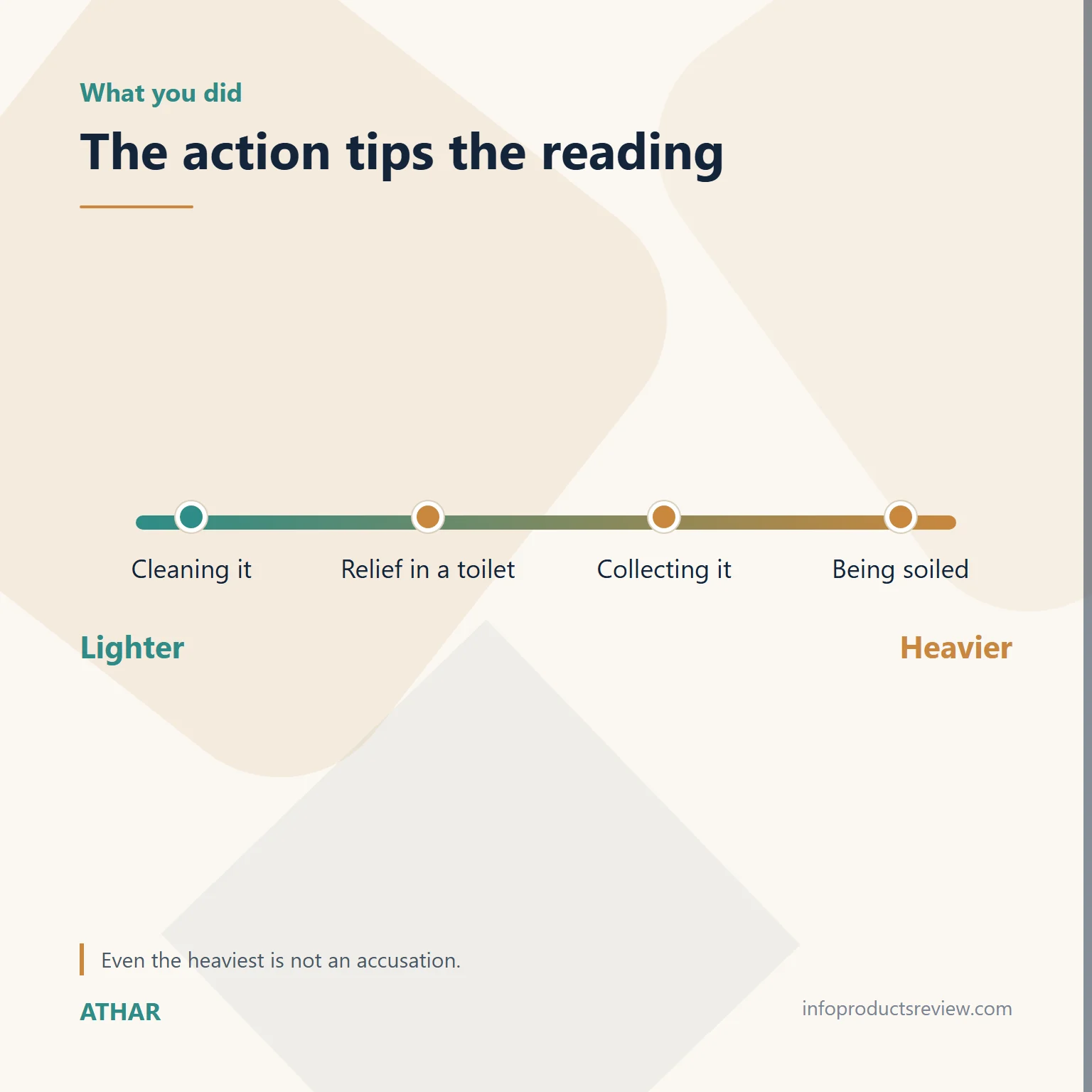
Seeing a baby’s dirty diaper, or changing one, is a different picture from adult feces. In real life it’s a normal part of caring for a child, without much embarrassment or disgust.
The books give this no specific meaning. By analogy, the nearer reading is care and responsibility: looking after a child, carrying a load at home, being absorbed in parenting.
If the dreamer is a parent, the dream most likely echoes their day and nothing more. It says nothing about the child’s health; if you’re worried about that, ask a doctor.
Animal dung in a dream
Dung is the droppings of animals like camels, horses and cattle. The books read it as money, just as they read feces as money, and they treat the two together.
So seeing animal dung in a barn or on a farm sits closer to money and livelihood, especially when it’s in its place and not taking over.
Put the image back in its own time: dung was once widely used as fuel and fertiliser, so linking it with money is easy to understand. That’s our explanation of the image, not a reason the books give.
If the dung is so plentiful that it blocks the road or floods the place, the reading returns to the same exception: an overwhelming amount is worry and fear. Neither version is a promise of money or a successful deal.
Needing to go but being unable to

Some dreams are the opposite: you need the toilet and can’t go, can’t find one, or aren’t allowed in.
The books give this no specific meaning. By analogy, the nearer reading is something stuck with no way out: financial strain, a decision on hold, or feelings you can’t express.
It’s a very common picture for someone living under constant pressure. The need is there in the dream and the way out isn’t, which describes a lot of people’s weeks rather well.
It can also be a real bodily need showing up in sleep. If it keeps happening along with real symptoms, a doctor is the right person to see, not a dream and not its interpretation.
At home, in the street or at work
The place matters a great deal, because it shows which part of life the symbol concerns. What follows fits the readings of money, worry and covering to different places; the books don’t discuss each place themselves:
At home: closer to family matters, such as household spending, an argument at home, or a family issue that needs dealing with.
In the street or a market: closer to what’s visible to others, such as reputation, a public money matter, or worry about gossip.
At work: closer to your job, such as money spent or earned there, pressure at work, or a fear of a mistake showing in front of colleagues.
In a mosque or another respected place: very distressing for the dreamer. The nearer reading is anxiety or an intrusive worry, not a sign of the dreamer’s spiritual state. If it upset you, seek refuge in God and don’t retell it.
Someone else relieving themselves: seeing a person you know doing it concerns that person, or your relationship with them. By analogy with the money reading, it may relate to a money matter of theirs, or one between you, like a debt or a partnership.
Two things matter in that last case. Don’t build suspicion of them on it, and don’t tell them about it and embarrass them — especially if they’re a spouse, a sibling or a business partner. A dream reveals no one’s intentions.
In water: no specific meaning in the books. By analogy, clear water spoiled by filth pictures something that was clean becoming muddied, such as a relationship, a source of income or a reputation. If the filth is washed away, the nearer reading is clarity returning.
A filthy toilet you can’t use: searching for a toilet and finding every one dirty or doorless is a common dream. By analogy it pictures looking for a safe way out and not finding one, like needing to confide a worry with no one you trust, or hunting for a solution to a money problem. Ask yourself whether there’s someone you could talk to.
How can one symbol carry opposite meanings?
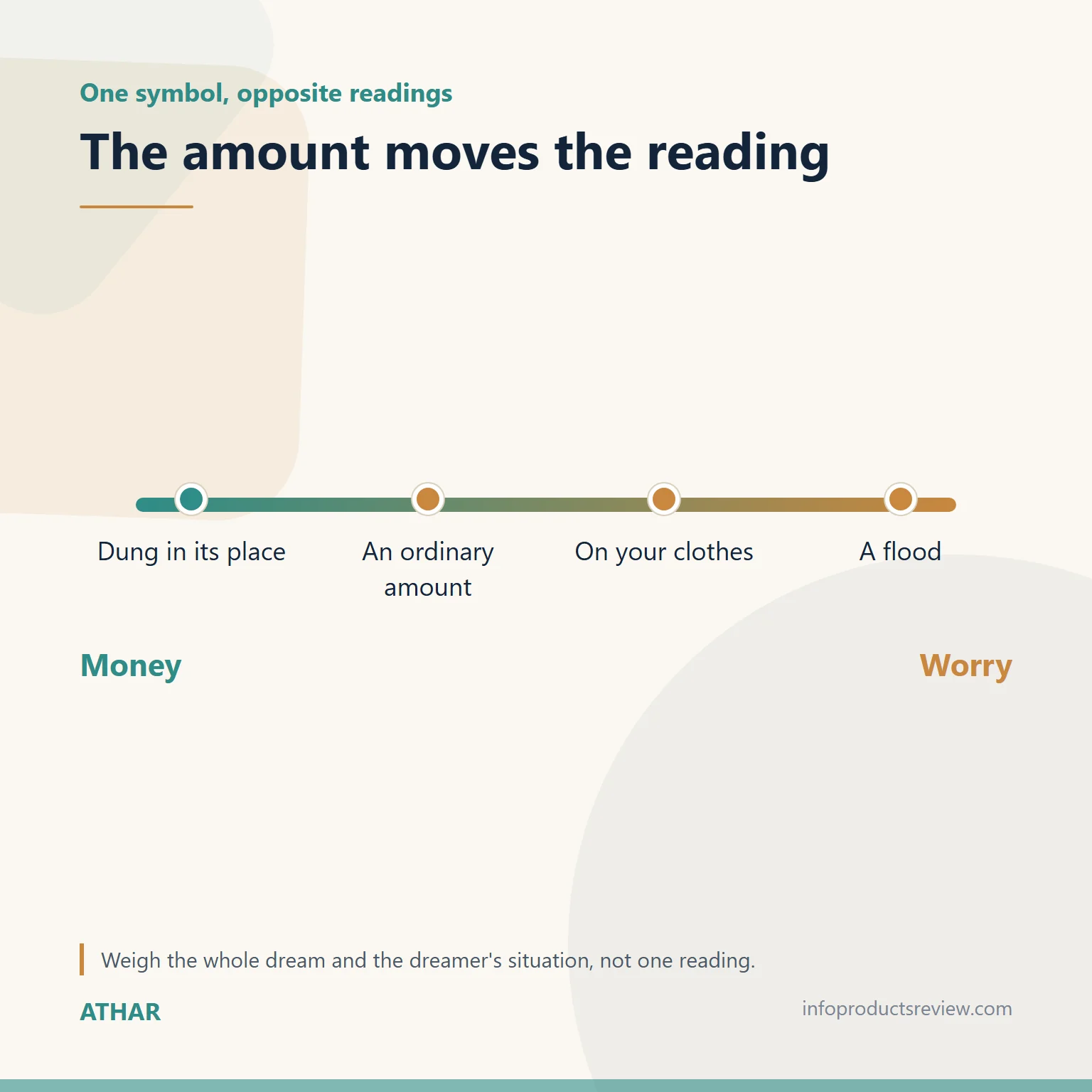
It can be confusing to see the same symbol read as money in one version, as money that isn’t clean in another, and as worry in a third. The reason is simple: interpretation is analogy, comparison and conjecture, not certain knowledge.
Two well-known principles of interpretation help here. The first: when a dream comes with fear and dread, the default reading leans toward ease and good news rather than alarm. The second: an interpretation is a conjecture to be guided by, never something to be certain about.
The first principle doesn’t mean every frightening dream is good news. It means an interpreter shouldn’t start with the heaviest possibility, or frighten the dreamer with something he can’t support.
The second means every reading on this page is a possibility to take some guidance from, not a fact anyone could swear to. Interpreters today say the same thing: a single symbol can carry many meanings, and none of them is settled on without gathering the dream’s other symbols and asking about the dreamer’s situation.
So feces is money at root, but the amount changes that, contact with the body changes it, and the place changes it. Taking the heaviest reading and ignoring the rest makes no sense, and neither does treating any single reading as certain.
Here’s how that works in practice. Two people dream about feces on the same night. One relieves himself in a clean bathroom and wakes up relieved; he has just paid off a loan. The other finds it spread across her office floor and wakes up anxious; she’s been behind on work for a month.
The symbol is the same, but the amount, the place and the feeling point their readings in opposite directions. And in both cases the dreamer’s own day explains most of it.
Does dreaming about feces mean dirty money?
Many people fear this, and it deserves a balanced answer with no flattery and no scaremongering.
What the books say: yes, they read feces as unlawful money when it reaches the dreamer or he smears his body with it.
But the same passage reads feces and dung at root as money, and relieving yourself as losing money, without calling either unlawful. In that reading, “unlawful” is tied to contact with the body, not to every dream with feces in it.
Most importantly, a dream can’t settle anything about anyone’s money. If you genuinely doubt where some income came from, the way forward is to ask people with knowledge and review your dealings, not to wait for a dream. And if you have no doubt, a dream shouldn’t plant one.
When it’s a health question, not a symbol
If you actually have digestive problems, trouble going to the toilet, or you need the bathroom during the night, the dream may be picking up on your body. That doesn’t need interpreting.
A dream can’t tell you anything about your health; if you have symptoms that worry you, see a doctor.
Likewise, if disturbing dreams keep coming until they ruin your sleep, talking to a professional will help more than chasing meanings. And if you woke up in tears from sheer embarrassment, our page on crying in a dream may help.
What’s actually established in Islam about dreams
Two things need to stay separate: reading the symbol, which is interpretation and can be right or wrong; and the Prophet’s guidance on handling dreams, which is established in Sahih al-Bukhari and Sahih Muslim.
In Sahih al-Bukhari (hadith 7045), narrated by Abu Sa’id al-Khudri, a dream you like is from God, so you praise Him for it and may speak of it, while a dream you dislike is from Satan, so you seek refuge from its harm and tell no one, and it won’t harm you:
If one of you sees a dream he likes, it is from God, so let him praise God for it and speak of it; if he sees otherwise, something he dislikes, it is from Satan, so let him seek refuge from its harm and mention it to no one, for it will not harm him.
The point is that an unwanted dream isn’t treated as news to wait for, but as something unpleasant to push away by seeking refuge in God and keeping quiet. “It will not harm him” is reassurance for the dreamer above all.
And in Sahih Muslim (hadith 2262), narrated by Jabir, someone who has a dream they dislike is told to spit to the left three times, seek refuge in God from Satan three times, and turn over from the side they were lying on.
If one of you sees a dream he dislikes, let him spit to his left three times, seek refuge in God from Satan three times, and turn over from the side he was lying on
Both hadiths (Bukhari 7045, Muslim 2262) are general guidance for any unwanted dream, not an interpretation of this symbol. They fit dreams about feces especially well, because these dreams are usually embarrassing and unwanted.
Seek refuge in God from the dream’s harm, don’t retell it to everyone, and don’t post it in group chats looking for interpretations. A dream establishes no ruling and accuses no one.
What this dream can’t tell you
To close the door on both scaremongering and easy promises, here’s where the dream stops:
- It can’t prove the dreamer’s money is unlawful, and it accuses no one.
- It can’t reveal a hidden sin or predict a scandal.
- It can’t guarantee income, or set a sum or a date.
- It can’t diagnose a digestive or other health problem.
- It isn’t evidence of magic or envy.
- It isn’t a basis for a financial decision.
Those limits aren’t a way of dodging the question. They’re part of the answer: the dream can bring you closer to understanding your own situation, and it can’t tell you what will happen.

What to do after the dream
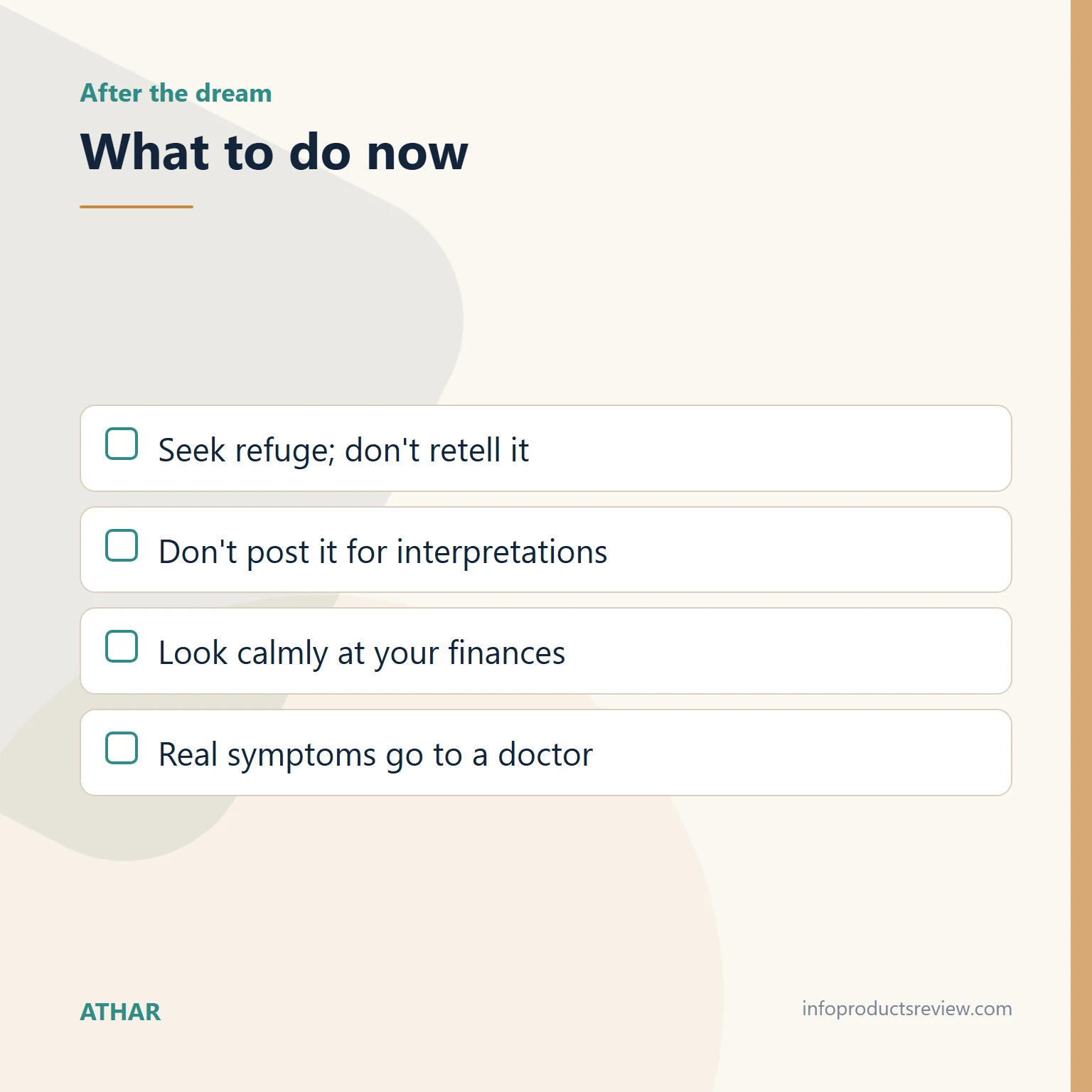
If it was disturbing or embarrassing: seek refuge in God from its harm, spit to your left three times, turn over, and don’t retell it, as in Sahih al-Bukhari (hadith 7045) and Sahih Muslim (hadith 2262).
Don’t post it looking for an interpretation: embarrassing dreams are private matters, and many people who interpret publicly don’t protect them.
Look calmly at your finances: if you’re under strain, in debt, or putting off a spending decision, the dream may be echoing it. Sort out what you can, without waiting for the dream to tell you anything.
If you have real symptoms: see a doctor, and don’t look for the answer in dream interpretation.
If the dream keeps coming back: ask what keeps coming back in your days, whether stress or fear, and ease it where you can. Jotting down when the dream appears, for two or three weeks, often shows a pattern: before social events, during money worries, or after an argument. That tells you more than a new meaning each time.
If you’re a trader or run a business: since this symbol is read through money, the dream may feel like a message about your deals. It isn’t a basis for a business decision or a forecast of profit or loss. Decisions rest on your numbers and on advice, not on what you saw in your sleep.
If you’re unwell: someone who is ill, especially with a digestive complaint or confined to bed, may have this dream more often. Some people read waste leaving the body as a sign of recovery, but that isn’t confirmed in the sources, so don’t treat it as a promise of healing. Keep following your doctor’s treatment, pray for recovery, and don’t hang your hopes on a dream.
If you feel unclean on waking: that feeling is understandable. But dreaming of being soiled, and waking up to find nothing, is not something to build a ruling on; questions of ritual purity go to people of knowledge, not to a dream. A calm ablution, a prayer or some remembrance of God can settle the heart better than going round in circles about what the dream meant.
Then close the page: dwelling on the meaning of an embarrassing dream only deepens its hold on you. Take what’s useful and get on with your day.
How to describe the dream so it can be read
If you want to make sense of the dream yourself, or talk it through privately with someone whose knowledge you trust, describe it in this order:
- The amount: ordinary, or overwhelming?
- The place: a toilet, your clothes, in public, or your bed?
- What you did: it left you, you touched it, collected it, or cleaned it?
- How you felt: relieved, embarrassed, or disgusted?
- Your real life: what’s on your mind about money, health and reputation?
You’ll often find that an orderly description makes half the meaning clear before you ask anyone.
Pay particular attention to the feeling. In dreams about feces the dominant emotion is usually shame rather than fear: a worry that someone will see, smell or find out. If shame dominated, the dream sits closer to worry about how others see you; if relief dominated, it sits closer to letting go of a burden. The feeling alone can turn the reading around.
One more situation worth describing carefully: needing the toilet while travelling, in an unfamiliar city or a huge building, and not knowing where to go. By analogy that pictures unease in a new environment, like a new job or a move, where the need is there but the safe place isn’t known yet. If you find somewhere in the end and feel relief, the nearer reading is settling in.
Do interpreters settle on one meaning?
No, and that’s the point. The two clips below aren’t about this dream specifically. They cover general principles of interpretation that bear directly on how to read it. A clear caveat: what speakers say in interviews is personal opinion, not religious text and not an established rule, and we paraphrase rather than quote.
In the first, an interpreter explains that a single symbol can carry many possible meanings, and that an interpreter weighs them by combining the dream’s symbols and asking about the dreamer’s situation. That’s exactly why readings of this dream swing between money and worry.
A general principle of interpretation, not a statement about this symbol: the speaker holds that one symbol can carry many possible meanings, and an interpreter weighs them by combining the dream's symbols with the dreamer's situation. Paraphrased; an opinion from an interview, not a religious ruling or a definitive interpretation.
In the second, another interpreter criticises anyone who speaks about dreams with certainty, or who exposes a dreamer’s private matters by telling them a dream reveals a hidden sin and broadcasting it online. That matters most of all for embarrassing dreams like this one.
A general principle, not a statement about this symbol: the speaker criticises interpreters who speak with certainty or expose a dreamer's private matters and post embarrassing dreams publicly. Paraphrased; an opinion from an interview, not a religious ruling or a definitive interpretation.
Both line up with what this page has said throughout: details are read in context, no reading is certain, and an unwanted dream is something to keep private, not something that can harm you.
Examples

A man in debt dreamed he relieved himself in a toilet and felt relief. Closest reading: money going where it should, or relief from a burden. It sets no date for repaying anything.
A young man dreamed feces covered his room so he couldn’t walk. Closest reading: worry or pressure closing in — the overwhelming amount.
An employee dreamed he relieved himself in front of colleagues before a big presentation. Closest reading: fear of embarrassment in front of people, not a coming scandal.
A man dreamed feces was on his clothes after a deal he had doubts about. Contact with the body is read as money from a source that isn’t clean, but a dream settles nothing. The useful step is to review the deal and ask someone knowledgeable.
A mother dreamed she was changing her baby’s diaper. Closest reading: an echo of her daily care and responsibility.
A man dreamed he was cleaning a filthy bathroom. Closest reading by analogy: putting something right or clearing away harm. A reassuring version.
Quick table: the detail and the closest reading
| What you saw | Closest reading | What it doesn’t mean |
|---|---|---|
| Relieving yourself normally | In the books: losing money | A sum or a date |
| A small, ordinary amount | In the books: money | Guaranteed income |
| An overwhelming amount | In the books: worry and fear | A specific disaster |
| Smeared on you | In the books: money from an unclean source | A verdict on your income |
| In front of people | Fear of being exposed | A coming scandal |
| Cleaning it up | By analogy: putting things right | A health diagnosis |
| Animal dung | In the books: money | Certain wealth |
| Unable to go | By analogy: something stuck with no way out | An illness |
| A baby’s diaper | By analogy: care and responsibility | Something wrong with the child |
Related dreams
- Teeth falling out in a dream: another body symbol from the books of dream interpretation.
- Lice dreams for men: reading an unpleasant symbol through work, money and home.
- Lice dreams for a married woman: another embarrassing symbol, read calmly and without accusation.
- Dreaming of someone who has died: the same approach of separating what’s established from what circulates.
- Lice dreams for a single woman: how a dream tied to embarrassment and being seen is read without judgement.
- Snake dreams for a married woman: another frightening symbol read through context rather than fear.
- Athar in English
Frequently asked questions
What does dreaming about feces mean in general?
Most naturally, something to do with money. Relieving yourself is read as losing money and feces as money. The reading shifts with the amount, the place and what happened, and it’s a possibility, not a promise.
Is dreaming about feces good or bad?
Neither always. A small, ordinary amount is closer to money; an overwhelming amount is read as worry and fear.
What does relieving yourself in public mean in a dream?
Most likely a fear of something private coming out or of embarrassment. It doesn’t mean a scandal is coming.
Does feces on your clothes mean dirty money?
The classical reading treats feces that reaches the dreamer or is smeared on his body as unlawful money, but that’s an interpreter’s view, and a dream settles nothing about anyone’s income.
What does a lot of feces in a dream mean?
An overwhelming amount, like a flood, is excluded from the money reading and read instead as worry and fear.
What does cleaning up feces mean in a dream?
The books give it no specific meaning. By analogy, the nearer reading is putting something right or clearing away harm, one of the reassuring versions.
What does eating feces mean in a dream?
The books give it no specific meaning. It often comes from anxiety or disturbed sleep; seek refuge in God and don’t retell it.
What does animal dung mean in a dream?
Dung is read as money, so the nearer reading is livelihood, unless it floods the place. It’s a possibility, not a promise.
What does relieving yourself in bed mean?
The books give it no specific meaning. By analogy, something getting out of control in a private place like home. If there’s a real health issue, see a doctor.
What should I do after an embarrassing dream like this?
Seek refuge in God from its harm and tell no one, as in Sahih al-Bukhari (hadith 7045); Sahih Muslim (hadith 2262) adds spitting to the left three times and turning over.
Should I post my dream online to ask what it means?
It’s better not to. An unwanted dream isn’t retold, and embarrassing dreams are private matters.
Is this interpretation definitive?
No, and deliberately so. These are possible meanings that change with the details, and none of them predicts the future.
In summary

- Feces and animal dung are read as money, and relieving yourself as losing money.
- An overwhelming amount is read as worry and fear, and contact with the body as money from a source that isn’t clean.
- Relieving yourself in public is closer to a fear of exposure than to a coming scandal.
- Interpretation is conjecture, and one symbol can carry opposite meanings.
- The dream can’t prove dirty money, reveal a secret, or diagnose anything.
- After an embarrassing dream: seek refuge in God, turn over, and don’t retell or post it.
If you take one thing from this page, let it be this: an embarrassing dream doesn’t mean there’s something shameful hidden in you, or that your privacy is about to be broken. Seek refuge in God, keep the dream private the way you’d keep yourself private, and look calmly at your real life.
Written and reviewed by: the ATHAR editorial team. Classical and hadith quotations are our own translations from the editions listed.
Last comprehensive update: 15 September 2026.
Note: the meanings on this page are possibilities, not established facts, and they change with the details of a dream and the dreamer’s situation. Nothing here predicts the future, judges anyone’s money, diagnoses a health problem, or gives a religious ruling.