


You wake up and the picture is still sharp: small lice, maybe on your pillow, maybe on your clothes, maybe in your hair — and a feeling of unease that follows you out of bed. Then you reach for your phone, and one page tells you it’s envy, another says witchcraft, a third promises a wedding.
The plain answer is calmer than any of that. In the classical books of dream interpretation, dreaming about lice as a single woman points most often to small, repetitive things that take up your thinking — not to an enemy, and not to envy. What decides the reading is where the lice were, what you did in the dream, and how you felt while it happened.
The Bottom Line
Lice in a dream most often point to things that are small but repetitive: nagging preoccupations, thoughts that keep circling, or people and responsibilities that drain your energy without ever being a real danger. That’s the common reading, and the details decide which part of it applies to you.
- Many or few: a large number usually reads as a lot on your mind, not as a large threat. A few reads as one passing worry.
- Present versus removed: lice that stay or spread can reflect pressure that hasn’t lifted. Cleaning them away or getting rid of them is among the clearest reassuring images in the whole subject.
- Place: what you see inside your home belongs to a close circle — family, household, whoever comes and goes. What you see outside belongs to a wider one: study, work, the street.
- Feeling: if you were frightened or disgusted, the reading leans toward strain. If you were calm, or felt you had it in hand, it lightens considerably.
- It is a possibility, not a promise: every meaning on this page stays possible, shifts as the details shift, and tells you nothing about what is coming.
- If your dream has a detail this page doesn’t cover: the books give no fixed meaning for every scene. Start from how you felt in the dream and what your waking life looks like, and don’t ask the picture to carry more than it can.
And there is a short list of things this dream simply cannot establish. It doesn’t indicate witchcraft, envy or the evil eye. It doesn’t name a person who dislikes you, tell you when you’ll marry, or diagnose an illness. Those are claims about the world, and they need evidence from the world.
What this page covers
- The Bottom Line
- What do lice stand for in a dream?
- Which details actually move the meaning?
- Where did you see them?
- Do a lot of lice mean a bigger problem?
- Colour and size: a change of degree, not of kind
- Were they moving or still?
- What does it mean to comb them out or clean them away?
- On clothes, bedding and belongings
- If the lice were specifically in your hair
- How you felt inside the dream
- What do the classical dream-interpretation books actually say about lice?
- Nits and lice: does the distinction matter?
- When the lice were on somebody else
- Does it change if you’re studying or working?
- What is actually established about disturbing dreams, and what isn’t?
- What sleep research says about unsettling dreams
- When is it just your mind processing?
- Common claims that need correcting
- What this dream cannot establish
- What to actually do with an unsettling dream
- What have interpreters said in recorded interviews?
- Situations and examples
- I saw a lot of lice but never touched them
- One louse that appeared and then was gone
- Lice on my pillow
- I cleaned them all away
- I removed some and some stayed
- Lice on my clothes in front of people
- Lice in a house I didn’t know
- I saw lice on someone I know
- The dream repeated three nights running
- I woke up actually itching
- They fell away on their own
- I tried to remove them and couldn’t
- Lice where I study or work
- Lice on clean, freshly washed clothes
- Quick reference: detail and nearest reading
- Frequently asked questions
- What do lice most often mean in a single woman’s dream?
- Do lice in a dream mean envy or the evil eye?
- Does seeing a lot of them mean a big problem?
- I cleaned the lice away in the dream. Is that good?
- Does the dream say anything about when I’ll marry?
- I saw lice on a relative. Does that mean something about her?
- Is the meaning different because I’m single?
- It repeated several nights. What does that mean?
- Is there anything I should do after this dream?
- What if my dream had a detail this page doesn’t cover?
- Other symbols appeared in the same dream. How do I read those?
- Is any of this certain?
- In summary
- Sources and references
What do lice stand for in a dream?

Start with the full range, because most pages hand you only one end of it.
One short line is all the classical record amounts to here, and it is worth knowing before anything else: lice stand for dependants — the people someone provides for and answers for. One line, but it turns the popular version on its head, and we come back to it further down.
The wider reading — lice as whatever is small, repetitive and wearing — is built on what lice are actually like. Small, numerous, clinging, taking and giving nothing back. On that basis the symbol is read as a worry that won’t leave, people who ask a great deal of you, or scattered obligations piling up until they tire you out.
That is how the old interpreters reasoned, but it is a reading drawn from the qualities of the thing rather than a sentence quoted from any one of them, and we say so rather than dress it up. Notice the description either way: small and repetitive. There’s no catastrophe in it, and no enemy lying in wait.
Later popular compilations widen it further — lice as small worries that keep returning, as small sums of money arriving in bits, as a crowd large in number but light in effect. None of those can be traced to an edition anyone could quote word for word, so they appear here as ideas in circulation rather than established meanings. What they all have in common, though, is how far they sit from the “envy” that fills the search results today.
See what that does to the popular version. If one symbol can be read as a worry in one scene and as something else in another, no page can tell you what your dream meant without knowing what happened in it. A symbol lifted out of its scene isn’t an interpretation — it’s a guess with a citation attached.
Practitioners put the same point in working terms: a single symbol may carry ten possibilities, so an interpreter gathers several symbols from the same dream, asks about the dreamer’s own circumstances, and only then settles on one of them.
So being asked about your own circumstances isn’t an evasion of the question. It is the answer. Anyone who hands you one flat meaning for the word “lice” is answering a different question from the one you came with.
If you’d like to see the same principle applied to a different symbol, our guide to snake dreams for a single woman works the same way: the scene first, then the meaning.
Which details actually move the meaning?
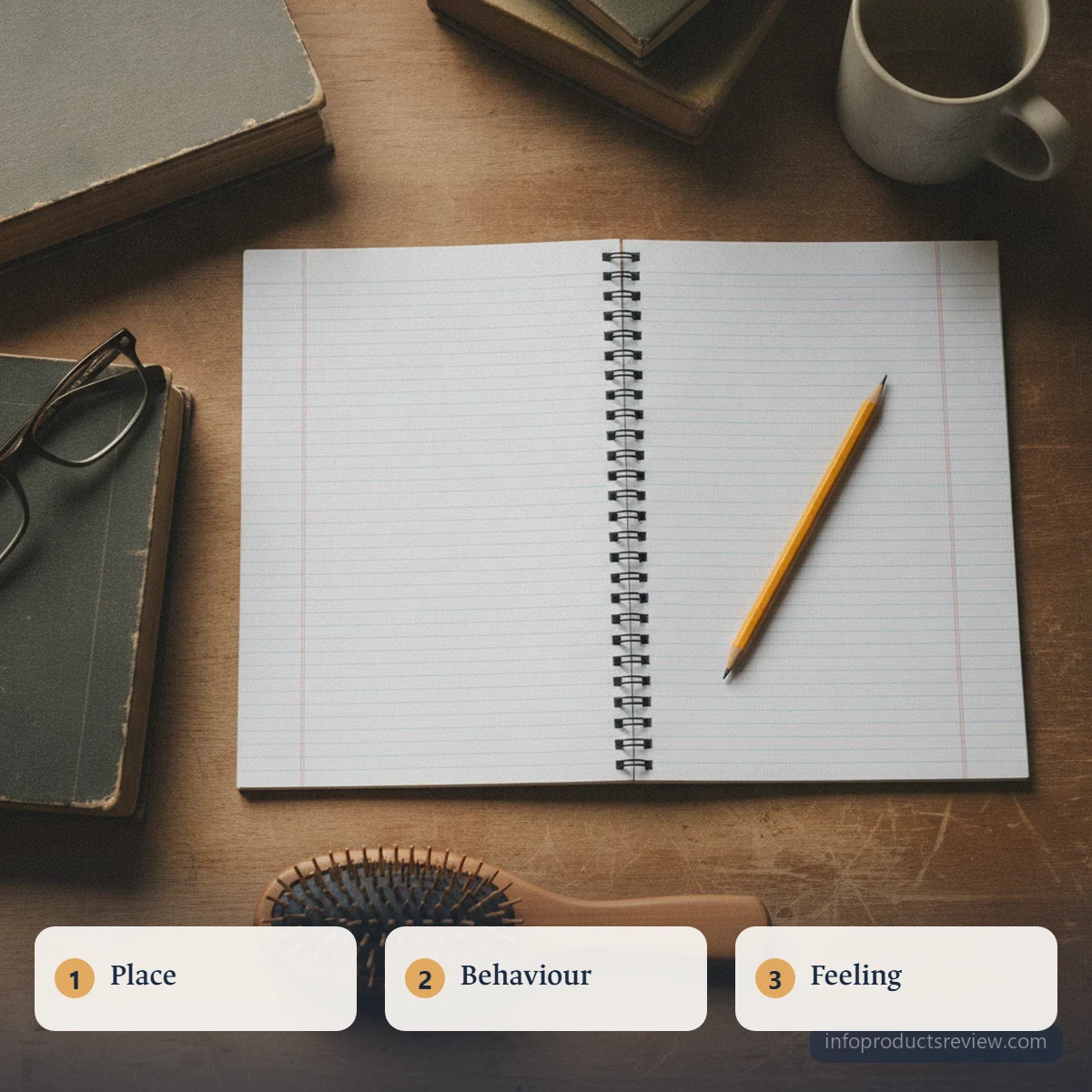
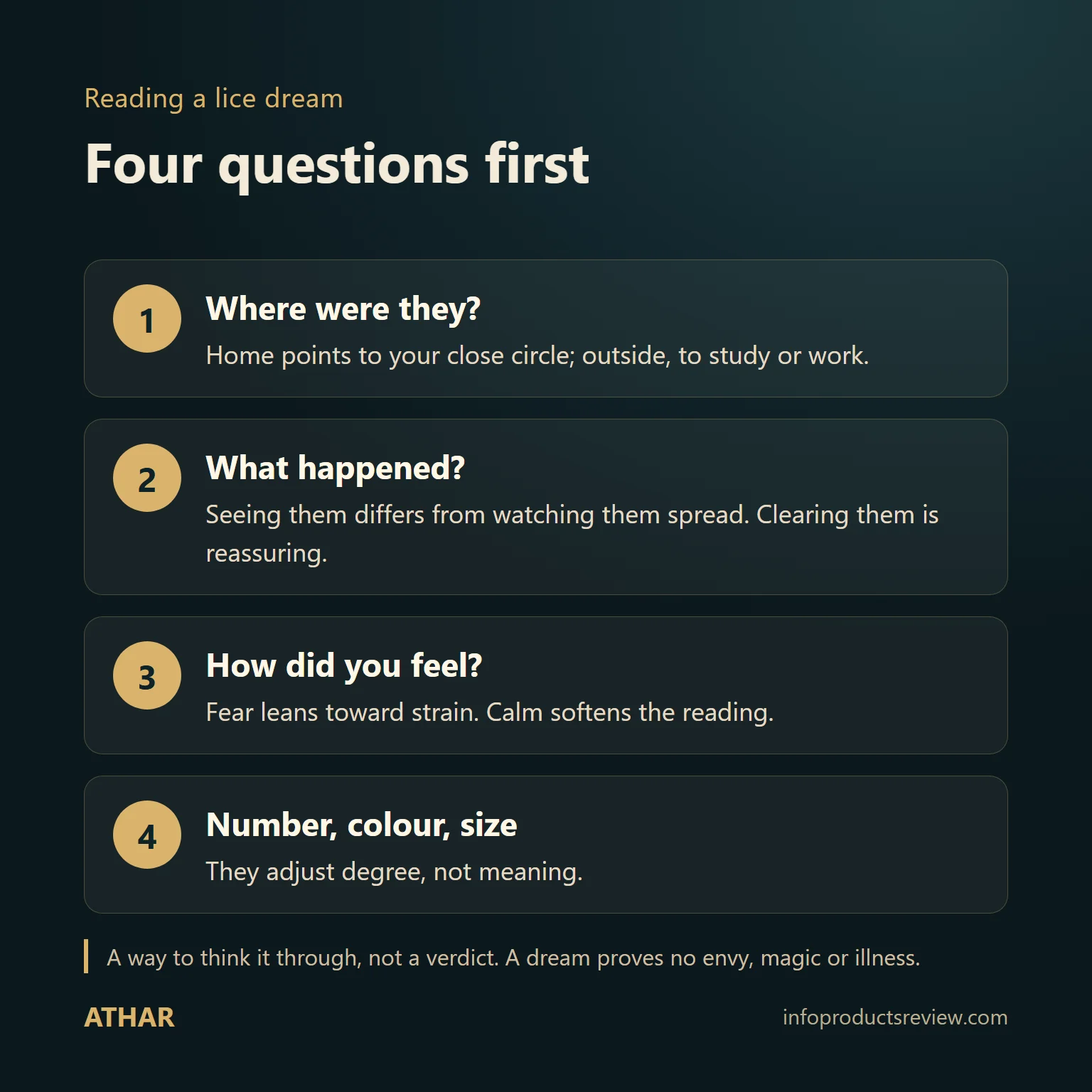
Before going through them one by one, it helps to know their order of importance — because most readers start at the bottom of the list.
First, the place. Where did the dream happen? Your home, your room, the university, the street, a house you didn’t recognise? That alone sets the circle the dream is talking about.
Second, what happened. Did you only see the lice, were they moving, did you remove them, did they spread? The action shifts the reading more than the appearance does.
Third, how you felt. Fear, disgust, calm, indifference? This is usually the truest thing in the dream, because it’s the part you don’t reconstruct afterwards.
Last, the number, size and colour. These adjust the degree; they don’t create a meaning. That’s why they come at the end of the list rather than the start.
That order isn’t our invention. It is a working principle in the books of interpretation: the accompanying detail in the scene is what a reading rests on, so the meaning is sought according to the detail that is actually present rather than according to the bare word.
Which is to say “lice” on its own is not a scene. The place, the action and the feeling are that detail, and they are what tips one meaning over another. It is a principle of the craft, not a religious ruling.
And if you want to know whether a dream calls for interpretation at all, that question comes before any symbol — we cover it in our dream interpretation guides.
Where did you see them?
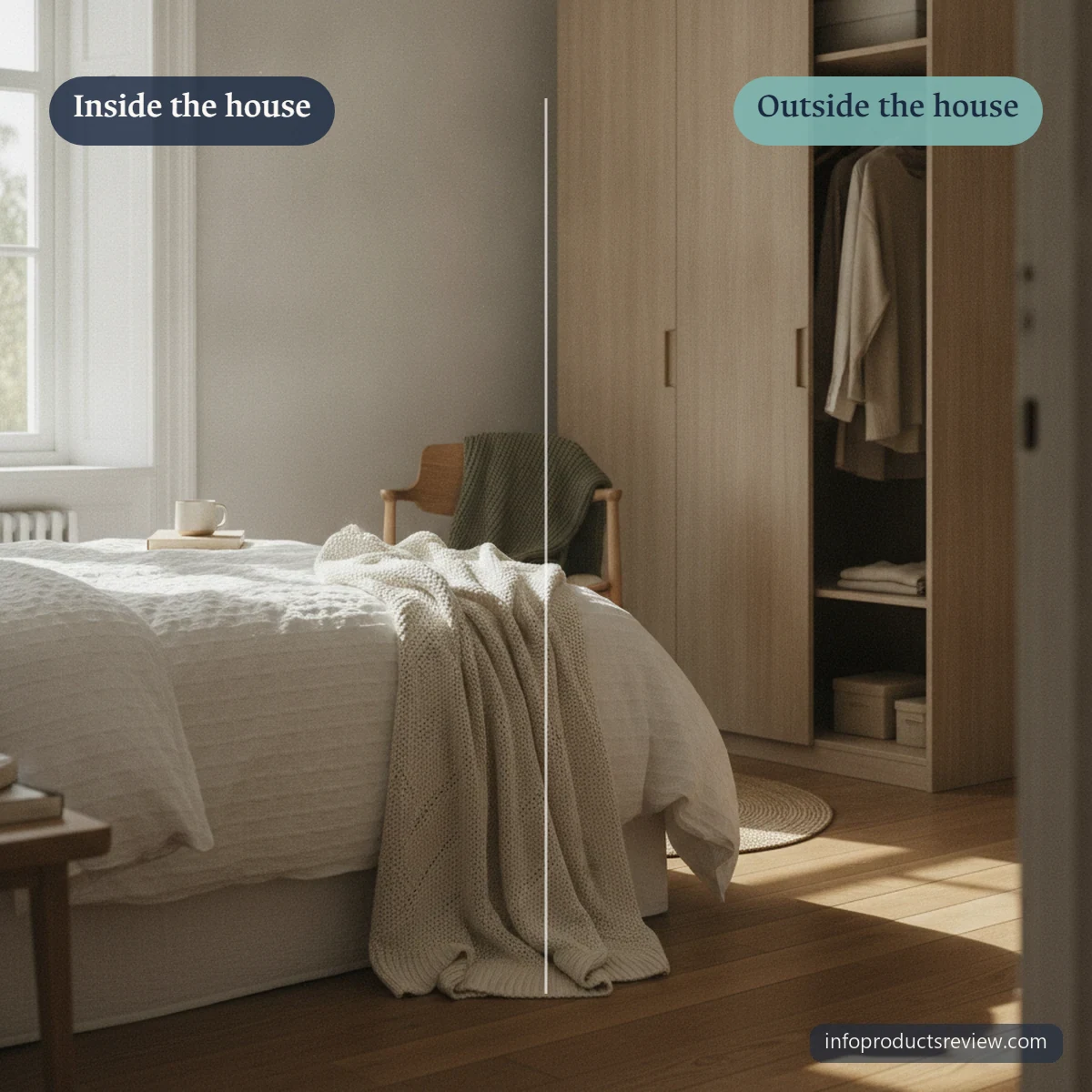
Place is the strongest detail you have, and the one most often left out of the telling.
Inside the home. What’s seen at home belongs to a close circle: family, siblings, whoever lives with you or passes through. There’s no accusation in that — closeness describes the circle, it doesn’t judge the people in it.
The reading may be as simple as this: what’s occupying you lately comes from inside that circle. A conversation that keeps repeating, arrangements at home, a responsibility that landed on you alone.
In your room, or on your bed. The narrowest circle there is: your privacy, your rest, the part of life you don’t share. This often turns up for someone who feels her own space has shrunk, or that her rest is being spent on other people.
Outside the home. University, work, the market, the street. Here the circle widens to the people you deal with rather than the people you live with: a demanding classmate, a draining study environment, one obligation after another.
In a house you didn’t recognise. Usually read as something outside your familiar circle — a new situation, a new place, or people you haven’t settled with yet.
The simple rule: the closer the setting, the closer the circle. Closer doesn’t mean more dangerous. It means nearer. The same principle runs through our guide to reading a dream by its details, where place does the same work.
Do a lot of lice mean a bigger problem?
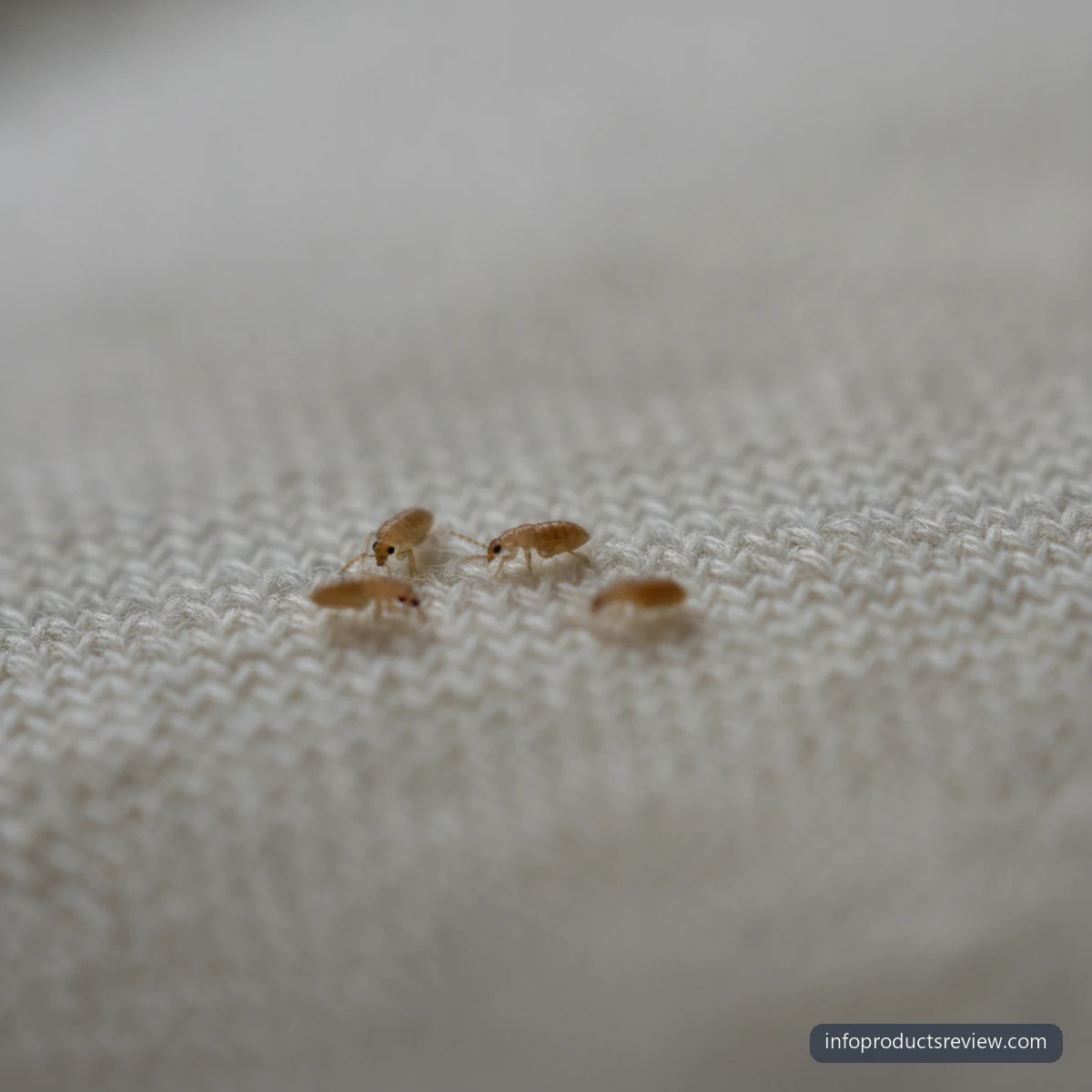
This is the most-asked question here, and the most misunderstood. The short answer is no.
Number in this subject measures how much is on your mind — not the kind of meaning, and not the size of any threat. A great many lice, spread about, usually reads as a lot of small things gathered at once: tasks stacking up, too many requests, or a head full of competing thoughts. A few reads as one limited concern, or something passing.
The difference between “many worries” and “many enemies” is not a small one. The first describes a state you can recognise in yourself. The second is a claim about people, and a dream offers no evidence for it — a distinction we draw the same way for a married woman and for a man.
There’s a practical observation worth adding: a great many of the women who dream of large numbers of lice are genuinely in a crowded stretch of life — exams, a move, a family situation. When that’s the case, the dream is describing something you already know, not delivering news about your future.
Colour and size: a change of degree, not of kind
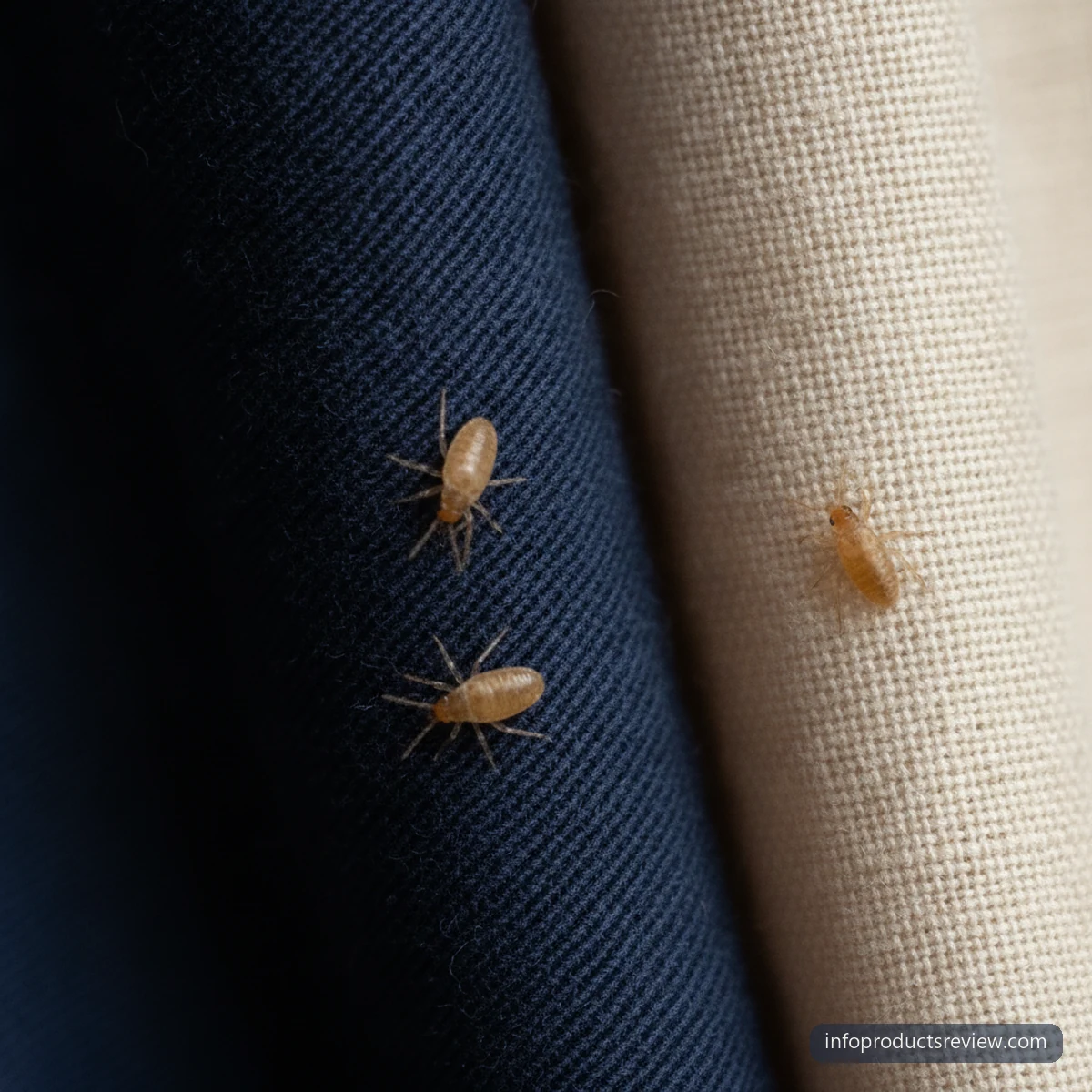
We get a lot of questions about colour — white, black, large, small. Honestly, what the classical books say about this is brief and glancing, while what circulates online is an elaborate table giving each shade its own separate fate.
Size reads as scale: bigger means a bigger matter, smaller a lesser one. It’s a change in degree, not in kind. And a large louse that did nothing is still a louse that did nothing.
Colour, for this symbol in particular, has no dedicated section anyone could lean on. Whoever offers you a distinct meaning for every shade is adding rather than transmitting. We go through exactly the same problem in our guide to black snake dreams for a single woman, where the colour tables have the same trouble.
Were they moving or still?
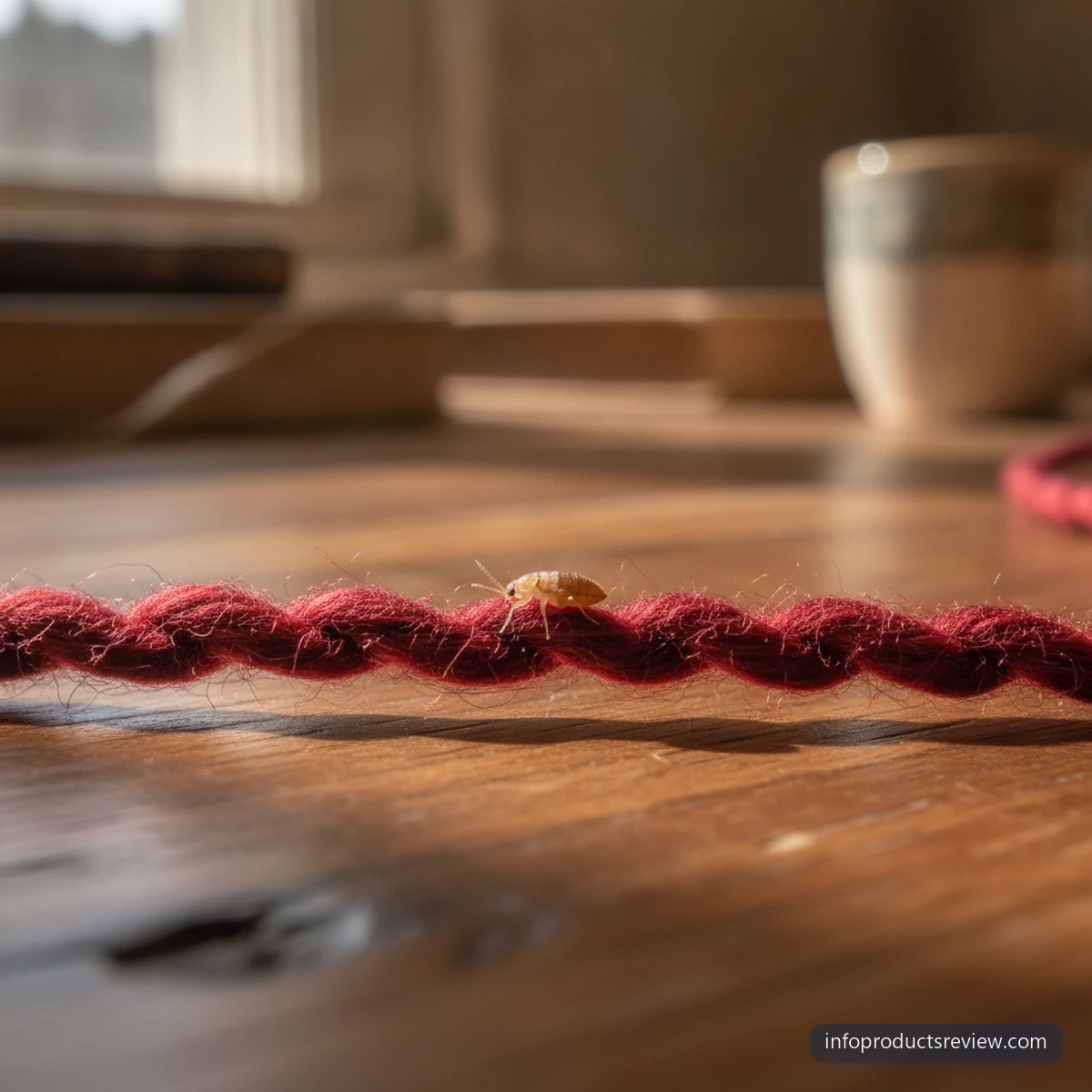
A small detail, but a real one.
Still lice that didn’t move. Among the lightest images here. Something present that isn’t developing — a concern that exists without going anywhere.
Lice moving and spreading. Leans toward continuation: something not yet closed, or a responsibility widening a little at a time. Notice the word — continuation, not danger.
Lice moving away, or falling off by themselves. Leans toward relief: something receding, or pressure beginning to lift.
Lice moving from one place to another. Sometimes read as a concern shifting circles — from home to study, say, or the other way round.
What does it mean to comb them out or clean them away?
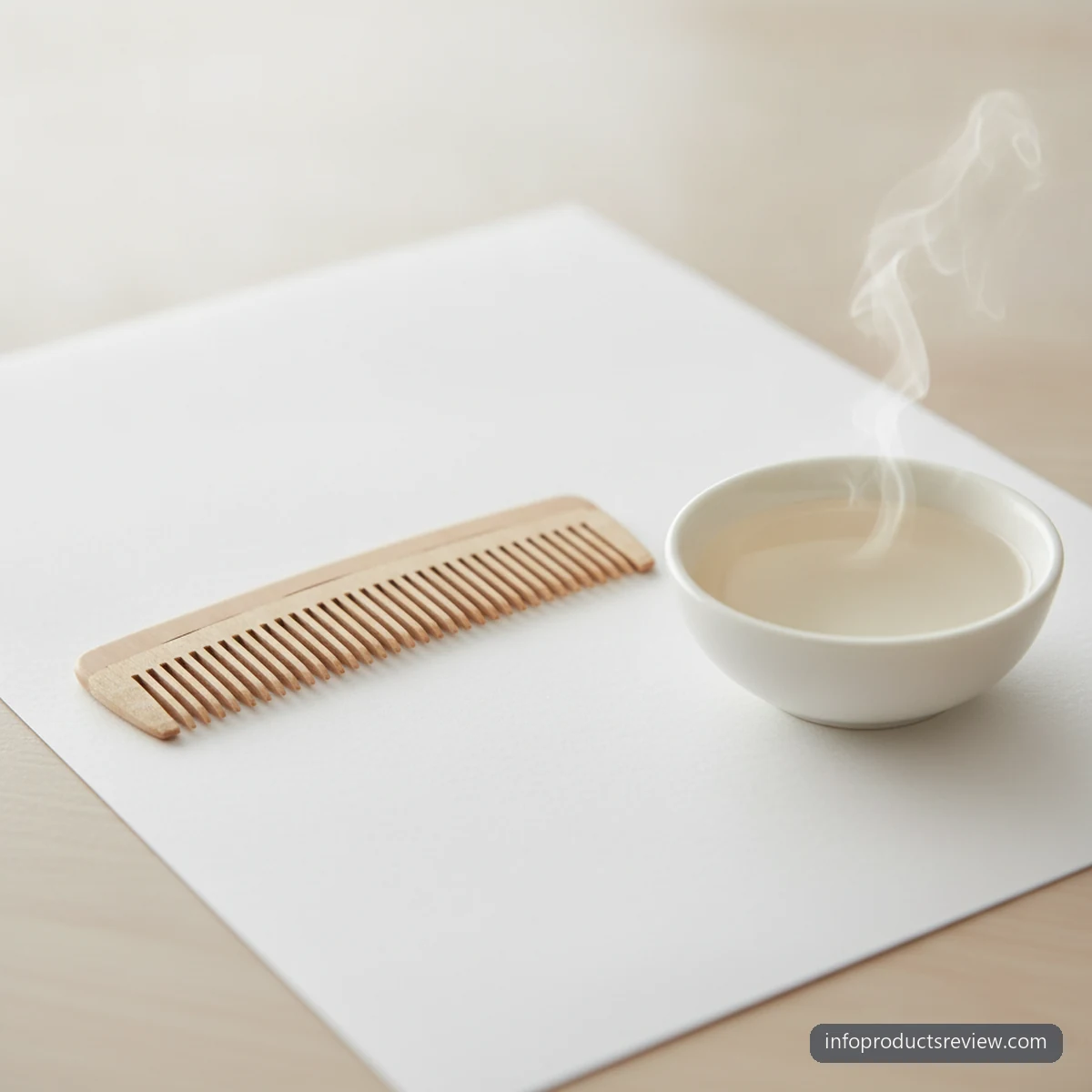
This is the clearest reassuring image in the whole subject, and it deserves saying plainly.
Getting rid of lice in a dream — combing, washing, cleaning, killing them — is generally read as getting past something wearing: a problem that ended, a worry that eased, or order you restored to something that had become chaotic. The more complete the removal in the dream, the clearer the reading.
If you removed some and some remained, the nearest reading is that part of it is finished and part isn’t. Which is, in truth, an honest picture of most problems.
And if you tried and didn’t manage it, the nearest reading is an effort still under way — not final failure. There’s nothing in the books that makes this image a bad omen.
On clothes, bedding and belongings

Not every lice dream happens in hair. Plenty of women see them on clothing, on a pillow, on something they own — and the difference is real.
On clothes. Clothing in dreams is often read in connection with how one appears to others — a general reading about clothing, not a line about lice. Lice on clothing may point to a preoccupation with how you’re seen, or with what people are saying.
On bedding or a pillow. Closer to rest and sleep itself. This is one of the images where a practical question is worth asking first: how has your sleep been lately?
On a personal item. A bag, a book, a phone. Usually read within the circle of whatever is actually taking up your time.
Note that all of these describe a circle. None of them accuses a person, and none reports a coming event. Readers who arrive here after a different unsettling symbol often find the same structure in our guides for pregnancy and black snakes for a married woman.
If the lice were specifically in your hair
This is one of the most common versions, and it has details of its own: where in the hair they were, whether you combed or washed them out, whether they fell away by themselves, whether any remained after you tried.
In short: hair in this subject is read close to thought and personal preoccupation — what’s going on in your own head rather than what’s going on around you. So lice there lean toward circling thoughts and inward strain more than toward external events.
Lice in the hair bring scenes of their own, such as combing them out or finding them on a brush. The way to read them doesn’t change: place first, then what happened, then how you felt.
How you felt inside the dream

Ask anyone about their dream and they’ll tell you what they saw. Ask how they felt and you’ll get the truest part of the story.
Fear and disgust pull the reading toward strain and exhaustion. Calm — or a sense of having it under control — pulls it toward steadiness and your own capacity to handle things. Two women can describe an identical scene and read it differently, because one woke shaken and the other simply wasn’t bothered.
Feeling has one more advantage: it’s the part you haven’t rearranged in your head since waking. The details of a scene often get rebuilt in the telling. So make it one of the first three things you write down, not the last.
What do the classical dream-interpretation books actually say about lice?

The clearest thing said about lice by the early interpreters is a single line, written in the ninth century. It is very short, and it changes the angle completely: worms and lice mean dependants.
“Dependants” here means the people a person provides for and is responsible for. So in this reading, lice are not an enemy and not envy. They stand for people who live under your care and rely on you.
The reading is supported with a line of old Arabic verse that uses the same root to describe a household grown large. The language itself ties lice to a crowded home rather than to hostility.
That is an interpreter’s judgement, not a religious text. What makes it useful is the method it shows. The old interpreters started from what the thing is actually like in waking life — lice are small, numerous, close and dependent — and then asked what in the dreamer’s life shares those qualities.
Later popular compilations, including a widely sold book attributed to Ibn Sirin, give lice other meanings, such as small worries that keep coming back. The attribution to Ibn Sirin itself is not established, and no edition supports those readings closely enough to quote word for word.
So they stay here as circulating, unconfirmed ideas, nothing is built on them alone, and they are never presented as the words of Ibn Sirin himself.
What these books do not say is worth stating just as plainly. There is no section singling out a single woman for this symbol, no link between lice and witchcraft or the evil eye, and no mention of a wedding date. Anyone offering those is adding, not transmitting.
Nits and lice: does the distinction matter?
Readers ask about this constantly, and the distinction is genuinely useful.
Nits — the small eggs, attached and not yet hatched — differ from lice in the shape of the scene rather than in the root of the meaning. Lice move, are seen, and are a nuisance now. Nits are still, fixed in place, and haven’t come to anything yet.
So they lean toward what hasn’t started: something at its beginning, a concern still small, a matter deferred whose effects haven’t shown.
Someone who sees nits with no lice is closest to a reading of something still in its early stage. Someone who sees both is looking at a scene that holds one thing under way and one thing on its way.
An important caution: this distinction is drawn from the shape of the scene, and the classical books give nits no section of their own. It describes the picture in a dream, not a rule about your household. Nits in a dream don’t mean there are nits in your home, any more than lice in a dream mean an actual infestation.
When the lice were on somebody else
One of the scenes that causes the most needless worry: seeing lice on your mother, your sister, a friend, a child you know.
Plainly: this gives you no information about that person. Not about their intentions, their circumstances, their cleanliness, or their feelings toward you.
The people closest to us appear in dreams constantly, because the mind reaches for familiar faces — not because they are the subject of a message.
The most balanced reading is that your own preoccupation is bound up with that circle: concern for them, responsibility toward them, or something of theirs occupying your thoughts. Notice that the subject of that sentence is you, not them.
We have seen readers build a suspicion of a relative or a friend on a scene like this, and regret it. Don’t. A dream is not evidence about anyone, and no estrangement should be built on one. The same caution applies wherever a familiar face appears, including in our guide to black snake dreams for a single woman.
Does it change if you’re studying or working?
The symbol doesn’t change, but the circle it points at does — and that’s a practical difference worth drawing out.
If you’re studying, the widest circle in your life right now is coursework: deadlines, exams, a draining group project, a result you’re waiting on. Lice seen outside the home usually read into that context rather than into personal relationships.
If you’re working, the widest circle is the job: a colleague who asks a great deal, tasks stacking up, an environment that takes your energy without much in return. The same meaning — small repeated things — lands somewhere different.
If you’re mostly at home, the circle is closer: daily arrangements, a family responsibility that fell to you, a conversation that keeps repeating.
The point of drawing those lines isn’t to sort you into a box. It’s to help you ask the right question: what is the small, repeated thing in my circle these days? Answering that will serve you better than any table of symbols.
This is a stated principle rather than a passing observation of ours. Interpretation is held to differ with people’s circumstances and standing: the dreamer’s own situation and position are looked at first, and the fitting reading is built on that.
So the same dream can be read two ways for two women in different circumstances, without the symbol changing at all. It is a principle of the craft — something to bring you closer to a meaning, not something to be certain about.
What is actually established about disturbing dreams, and what isn’t?
Two things often get blurred together. One is interpreting the lice symbol, which is human judgement. The other is the Prophet’s guidance on what to do after a dream you dislike, which is recorded in Sahih al-Bukhari and Sahih Muslim.
The guidance does not ask you to hunt for an interpretation. It asks you to seek refuge in God and to leave the dream alone. In Sahih al-Bukhari:
A good dream is from God. If one of you sees something he likes, let him tell it only to someone he loves. And if he sees something he dislikes, let him seek refuge in God from its harm and from the harm of Satan, spit lightly three times, and not tell anyone about it, for it will not harm him
Sahih Muslim records the same guidance with one practical addition, turning away from the side you were sleeping on:
If one of you sees a dream he dislikes, let him spit to his left three times, seek refuge in God from Satan three times, and turn over from the side he was lying on
For you, that makes the next step simple. If the dream left you uneasy, seek refuge in God, spit lightly to your left three times, turn over, and don’t retell it to everyone. The hadith in Sahih al-Bukhari (7044) is explicit that it will not harm you.
Much more is not established. No text says a particular dream indicates witchcraft or the evil eye. No text makes a dream binding on a decision about marriage, an engagement or a friendship. And no religious text gives lice a fixed meaning, so every meaning mentioned on this page is a human opinion, which can be right or wrong.
The books of interpretation add a limit that bears directly on a dream that frightened you. A dream that comes with fear and dread is read, by default, on its easier and more hopeful side, because interpretation as a whole is analogy, likeness and conjecture rather than certainty.
Two things follow from that. A dream that alarmed you is read first on its lighter side, not its heavier one. And everything on this page, or on any other, stays conjecture you may take some comfort in — never a ruling to build a decision on, about a marriage, a relationship or your health.
What sleep research says about unsettling dreams
We keep this section separate from the last one deliberately. The two aren’t answering the same question, and merging them misrepresents both.
What sleep research says clearly: distressing dreams cluster with stress, with short or broken sleep, and with anxiety. Frightening dreams concentrate in the later part of the night, when REM sleep runs longest. And recurring unsettling dreams track strain far more closely than they track any particular symbol.
Which means a question about your sleep and your stress will get you further than a question about the insect.
The image of lice happens to sit close to a familiar psychological sensation — the feeling of something small that won’t stop. A thought that returns. An irritation with no end. A task that keeps coming back. That closeness doesn’t make psychology “confirm” the classical reading; it’s an observation about a sensation, not proof of a symbol.
And we never say this dream diagnoses anxiety or any condition. Diagnosis is a clinician’s work, not a dream-interpretation page’s. Our English dream section holds to the same separation throughout.
If you have a real medical question — persistent itching, or a suspected infestation — that belongs with a clinician or an official health source, not here. Mixing symbol with medicine makes both of them less useful.
When is it just your mind processing?
A question that comes before interpretation, and rarely gets asked. Mind-talk — whatever occupied you while awake and then comes back to you while you sleep — is treated as a category of its own, and it is given no symbolic meaning at all.
None of the signs below is decisive alone, but together they say a good deal:
- The dream repeats the shape of something that occupied you that day.
- You’d read or watched something close to the subject before bed.
- You slept late, badly, or somewhere unfamiliar.
- The scene was vague and shifting rather than clear and sequential.
- You’d been searching this exact topic before you fell asleep.
That last one deserves a pause. Reading about lice dreams before bed is a remarkably efficient way to dream about lice. If that’s the sequence, the dream is telling you about your evening, not your future.
The books describe this category as belonging to the body: the wishes and feelings held back below awareness, which wake up in a dream and carry no interpretation. If your dream belongs there, hunting for its symbol is hunting for something that isn’t in it. Which is reassuring rather than disappointing.
There’s a pattern worth naming here too. A dream unsettles someone; they search; the results alarm them; they search again looking for reassurance and find worse; they sleep badly and dream again. At that point the dream has stopped being the difficulty and the searching has become it. If you recognise that, the useful move isn’t another page — it’s to write the dream down once and leave it alone for a few days.
Common claims that need correcting
- “Lice mean envy or the evil eye.” Nothing in the classical books connects this symbol to either. The link was added later and repeated until it started to sound traditional.
- “Lice mean witchcraft.” The same. And a claim of that weight is never built on a dream.
- “Seeing them means marriage is near.” No basis for it in this symbol. Dreams don’t set dates at all.
- “A lot of them means disaster is coming.” Number measures preoccupation, not catastrophe.
- “The colour decides the meaning.” What the books record about colour is very slight; the circulating tables are an addition.
- “Recurrence is a confirmed message.” Recurrence was never made a meaning of its own, and from the sleep side it tracks strain more than content.
What this dream cannot establish
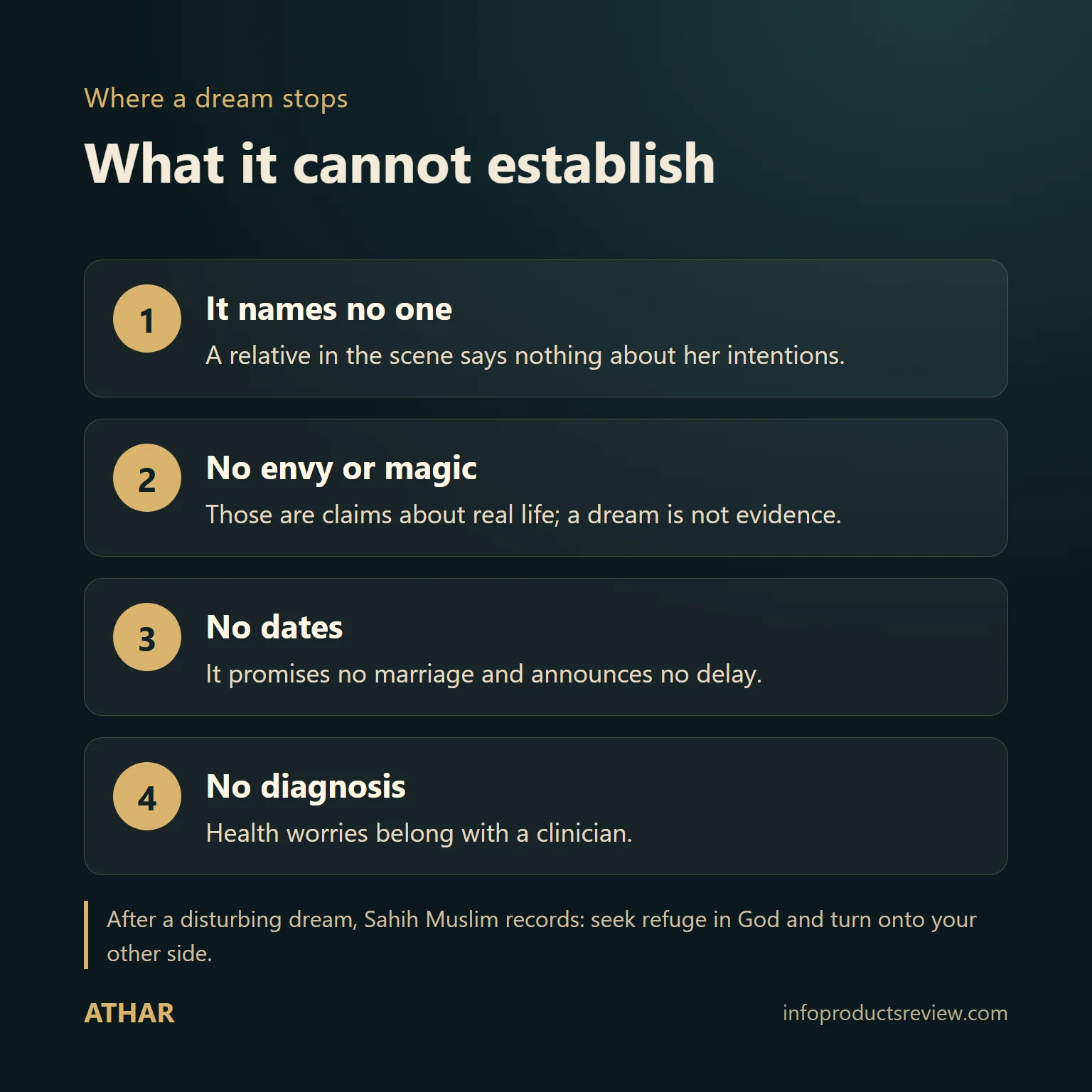
Stated plainly, because this is where the real harm happens:
- It cannot name anyone. No dream establishes that a particular woman envies you or wishes you ill.
- It cannot establish witchcraft or the evil eye. Those are claims that need evidence from waking life.
- It cannot set a time. Not “within days”, not “this month”.
- It cannot promise or withhold a marriage, or tell you one is delayed.
- It cannot diagnose a skin condition or a psychological one.
- It is not grounds for a decision: not for ending a relationship, not for accusing anyone, not for changing course.
What to actually do with an unsettling dream

Something workable, rather than advice to stop worrying:
- Write it down once, within a few minutes of waking: the place, what happened, how you felt. Three lines is enough.
- Read it back in the evening. Distance changes how a dream looks, reliably.
- Check the day before it. An argument, an exam, a difficult message, something you watched — that may be the whole explanation.
- Don’t build a decision on it, and don’t accuse anyone because of it.
- If it recurs and wears you down, start with your sleep and your stress before you start with a symbol.
One more thing, if you do ask someone: give the whole scene rather than the word. Interpreters complain about the bare-symbol question themselves, and say the dreamer has to relate the dream with all its details — an interpreter is not a dictionary to be opened at a word.
Where it happened, what happened, whether it reached you, how you felt, and what was going on the day before — five short lines are enough, and without them any answer is a reading of the word “lice” rather than of your dream.
What have interpreters said in recorded interviews?
Two short pointers to published interviews, because hearing how someone reasons can be clearer than reading about it. Treat them for what they are: personal views and experiences, not religious rulings and not a reading of your dream.
In the first, an interpreter describes a man who dreamt of three lice in his head, and connects them with three people pressing him for money. The interesting part is the method rather than the result: a real quality of lice, that they take and give nothing back, became the key to the reading.
An example of reading a dream from a real quality of lice. Summarised from the Arabic interview; a personal experience, not a rule.
Notice that this is one person’s experience in one case, not a rule to carry over to your dream. The number three didn’t become a fixed meaning, and the interpreter already knew the man’s circumstances.
In the second, a different interpreter draws a firm line that fits everything above: don’t let dreams determine your life, your decisions or your serious concerns. Interpretation stays conjecture even when the dream itself was a true one.
A practising interpreter's own limit on what dreams are for. Quoted from the English subtitles published with the interview.
Don't determine your life, or make decisions, or serious matter concerns based on dreams.
That limit sits comfortably with the guidance quoted earlier. A dream may cheer you, but it does not replace thinking a matter through, asking advice, and deciding in waking life.
Situations and examples
Worked through in the order the details are actually read, so you can see the method rather than only the conclusions.
I saw a lot of lice but never touched them
A large number, no action, no contact. Nearest reading: many small things gathered in your mind rather than a threat. If you weren’t frightened, lighter still.
One louse that appeared and then was gone
The lightest image here. A passing concern that didn’t settle.
Lice on my pillow
A very close circle: your rest and your sleep. Ask about your sleep over the last while before you ask about the symbol.
I cleaned them all away
One of the clearest reassuring images: something wearing that you got past, or order restored to something that had gone chaotic.
I removed some and some stayed
Part finished, part not. More realistic than ominous.
Lice on my clothes in front of people
How you appear to those around you. Usually a preoccupation with what’s said about you rather than news about anyone.
Lice in a house I didn’t know
Outside your familiar circle: a new situation, or people you haven’t settled with yet.
I saw lice on someone I know
A clear caution here: this doesn’t mean there’s anything wrong with that person. The people closest to us turn up in dreams constantly, and that is not evidence about them.
The dream repeated three nights running
Recurrence isn’t a meaning of its own. The nearest reading is a worry that keeps returning; from the sleep side it tracks strain and short sleep.
I woke up actually itching
Common, and unrelated to interpretation: attention to the body rises after a dream about insects. If itching continues while you’re awake, that’s a medical question for a clinician, not a question about symbols.
They fell away on their own
One of the easier images: something receding without effort from you. It often turns up in stretches when a pressure that had been there is starting to lift.
I tried to remove them and couldn’t
An effort still under way, not a final failure. Nothing in the books makes this an ill omen; the nearest reading is simply something not yet closed.
Lice where I study or work
The wider circle, clearly. Read it against what’s actually happening there: a load of tasks, a draining working relationship, a result you’re waiting on.
Lice on clean, freshly washed clothes
A subtle one: something you thought was finished coming back. The nearest reading is a matter closed in appearance but not in fact.
Quick reference: detail and nearest reading
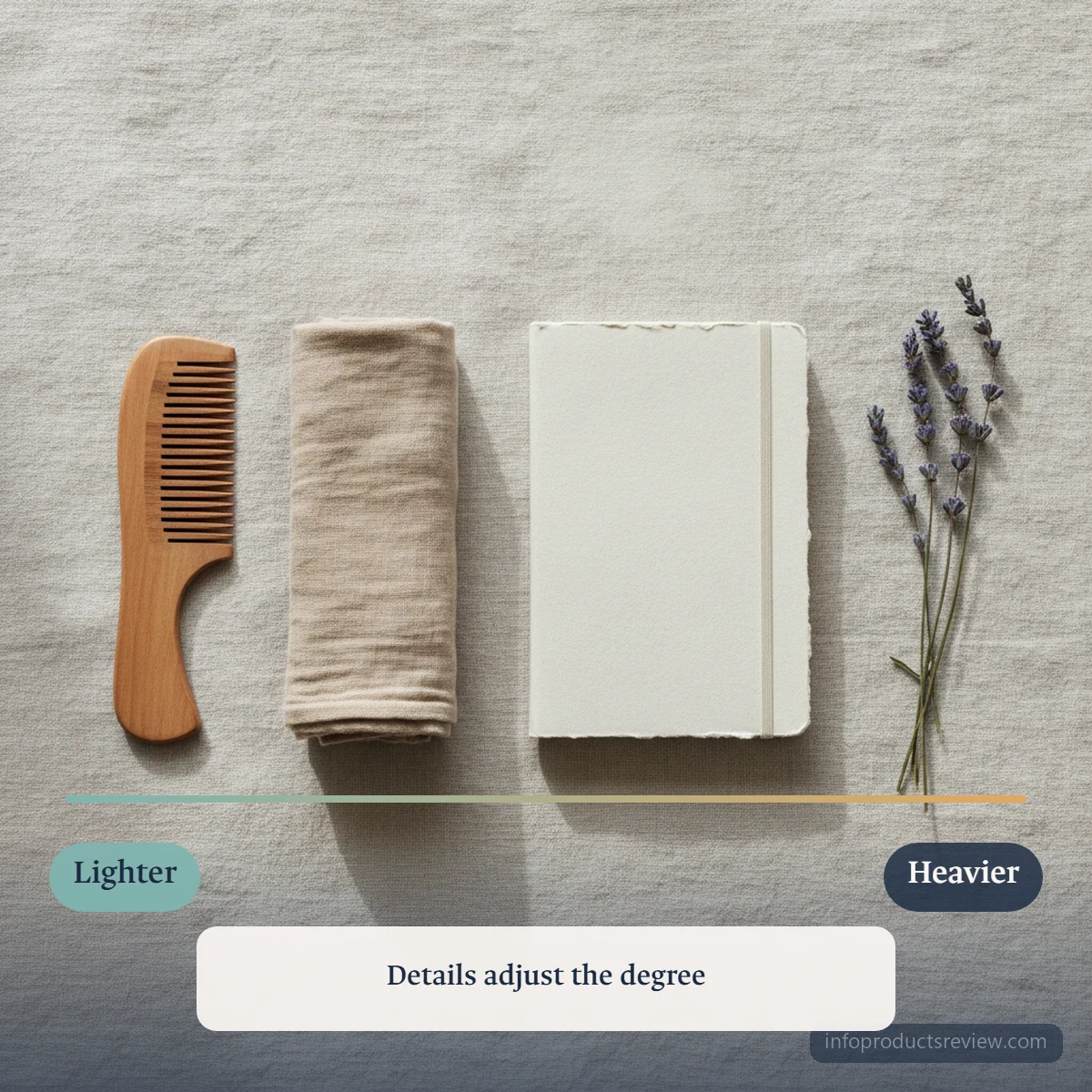
A summary rather than a substitute for the sections above. Every line assumes the rest of the scene is neutral.
- Many lice — a lot of small preoccupations, not a large threat.
- Few lice — one limited or passing concern.
- Still, not moving — something present that isn’t developing.
- Moving and spreading — continuation, not danger.
- Removed completely — getting past something wearing.
- Partly removed — partial relief.
- Inside the home — a close circle: family and household.
- Outside the home — a wider circle: study and work.
- On the bed — rest and sleep; start with the sleep question.
- On clothing — how you appear to those around you.
- Large — a bigger matter, not a different one.
- You felt calm — leans toward steadiness.
- You felt afraid — leans toward strain; ask what is pressing on you awake.
For every symbol we cover in English, start from the ATHAR English home.
Other guides in this lice series:
- Lice in your hair as a single woman — if the dream was in your hair: combing and a headscarf.
- Dreaming about lice as a married woman — the same symbol once home and children are part of the picture.
- Dreaming about lice during pregnancy — and why the dream says nothing about the baby.
- Dreaming about lice as a man — the symbol through work and the people who rely on you.
- Lice in your hair as a married woman — the hair scene after marriage, children’s hair included.
Frequently asked questions
What do lice most often mean in a single woman’s dream?
Small, repeated things that take up your thinking: preoccupations, responsibilities, or thoughts that keep circling. Which applies depends on the place, what you did in the dream and how you felt — not on the insect alone.
Do lice in a dream mean envy or the evil eye?
No. Nothing in the classical books connects this symbol with either. That link was added later until it began to sound old, and a dream doesn’t establish a claim about anyone.
Does seeing a lot of them mean a big problem?
Number measures how many things are on your mind, not the size of a threat. Many small concerns are not one large problem, and the difference matters.
I cleaned the lice away in the dream. Is that good?
It’s among the clearest reassuring images here: getting past something wearing, or a worry that ended. The more complete the removal, the clearer the reading.
Does the dream say anything about when I’ll marry?
No. There’s no basis for that in this symbol, and dreams don’t set dates or promise events.
I saw lice on a relative. Does that mean something about her?
Nothing should be built on it. The people closest to us appear in dreams very often, and a dream offers no evidence about anyone’s intentions or circumstances.
Is the meaning different because I’m single?
What differs is your daily circle, not the symbol. The classical books give no separate section for a single woman here; what’s specific is the context — study, home, the near future.
It repeated several nights. What does that mean?
Recurrence was never made a meaning of its own in the books, and the nearest reading is a worry that keeps returning. From the sleep side, recurring unsettling dreams track strain and short sleep more than content.
Is there anything I should do after this dream?
You don’t need to interpret it. The established guidance after a dream you dislike is to seek refuge in God from its harm, spit lightly to your left three times and not recount it, as recorded in Sahih al-Bukhari (7044). Sahih Muslim (2262) adds turning away from the side you were lying on.
What if my dream had a detail this page doesn’t cover?
Start with the section on where you saw them, then use the quick-reference table. Working through place, then what happened, then how you felt is enough to read most scenes, even when the specific detail differs.
Other symbols appeared in the same dream. How do I read those?
A symbol is read inside its scene, not by looking each one up separately and adding the answers together. Our general guide to reading a dream by its details shows the method.
Is any of this certain?
No, and that’s deliberate. What we offer are possible meanings, and they change as the details change. Nothing here predicts the future or passes judgement on anyone.
In summary
Compressed into lines you can use:
- Start with the place, then what happened, then how you felt. Number and colour come last, not first.
- The commonest reading: small repeated things taking up your thinking — not a catastrophe, and not an enemy.
- Removing them is among the clearest reassuring images; their staying means continuation, not danger.
- The dream establishes no witchcraft and no envy, names no person, and sets no date.
- Don’t build a decision on it, and don’t accuse anyone because of it.
- If it recurs and tires you, begin with your sleep and your stress.
And if you take one thing from this page: a possible meaning stays possible, however confidently it’s repeated.
Written and reviewed by: the ATHAR editorial team. Hadith quotations are given in full from the collections named at the foot of the page; English renderings of Arabic texts are our own translation.
Last reviewed: 14 September 2026.
Note: what appears here is a possible meaning, not a confirmed fact, and it changes with the details of the dream and the dreamer’s circumstances. Nothing here predicts the future, diagnoses a medical or psychological condition, or establishes witchcraft, envy or hostility from any particular person.